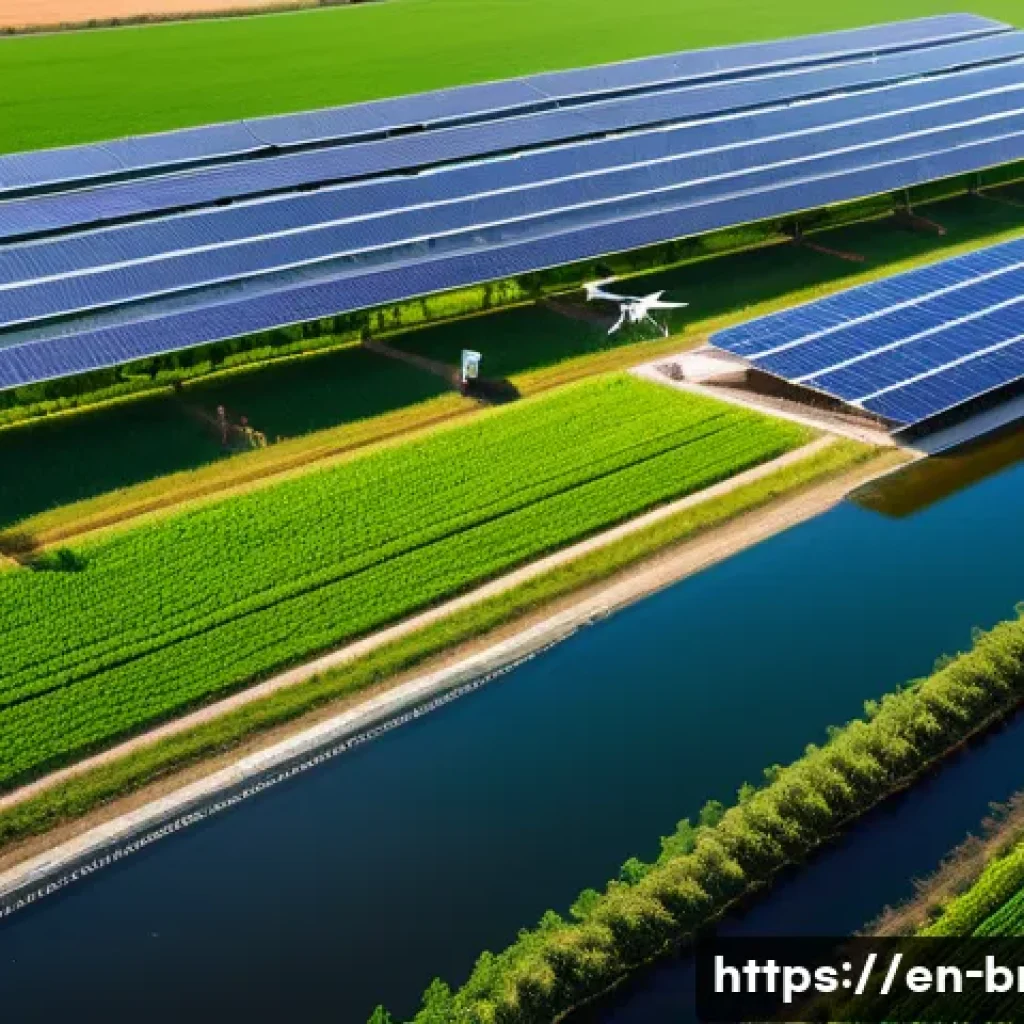
The collaboration between Brazil and the European Union represents a dynamic partnership shaping global trade, environmental policies, and technological innovation.
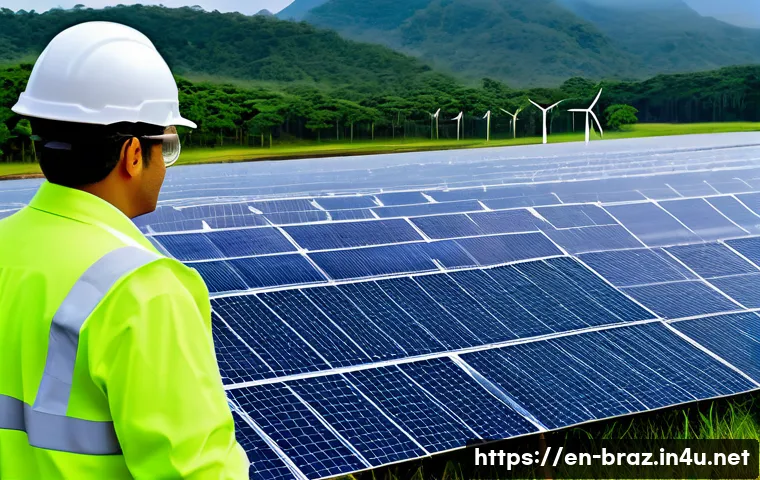
As both regions navigate complex economic and political landscapes, their cooperation offers promising avenues for sustainable development and mutual growth.
Recent agreements highlight a shared commitment to tackling climate change while boosting trade and investment opportunities. This evolving relationship not only influences international markets but also sets a precedent for future cross-continental alliances.
Curious to understand how this partnership impacts global affairs and what lies ahead? Let’s dive deeper and explore the details together!
Economic Synergies Driving Growth
Complementary Market Strengths
Brazil and the European Union each bring unique economic assets to the table, creating a powerful synergy that benefits both. Brazil’s rich natural resources and agricultural output complement the EU’s advanced manufacturing and technology sectors.
This blend allows for diversified trade that not only strengthens supply chains but also reduces dependency on single markets. From my observation, businesses in both regions have increasingly leveraged these strengths to tap into emerging sectors, such as renewable energy components and high-tech agriculture.
The result? More resilient economies capable of weathering global uncertainties.
Investment Flows and Financial Collaboration
In recent years, financial ties between Brazil and the EU have deepened, with European investors showing growing interest in Brazilian infrastructure and green technology projects.
I noticed that this trend is fueled by the EU’s commitment to sustainable finance, encouraging investments that align with environmental, social, and governance (ESG) criteria.
Brazilian startups, particularly in fintech and clean tech, have benefited from this influx of capital, expanding their reach beyond South America. Additionally, joint ventures and public-private partnerships have helped bridge technological gaps and introduced new funding mechanisms tailored to cross-border collaboration.
Trade Agreements Shaping Market Access
Trade agreements between Brazil and the EU have been instrumental in reducing tariffs and harmonizing regulatory standards, which facilitates smoother market access for goods and services.
These agreements often address non-tariff barriers, such as certification and quality controls, which can otherwise slow down trade. From what I’ve seen, this regulatory alignment has boosted confidence among exporters and importers alike, encouraging more small and medium enterprises (SMEs) to participate in international trade.
The trade deals also emphasize digital trade and e-commerce, reflecting the growing importance of online markets in global commerce.
Environmental Commitments and Climate Action
Shared Goals for Sustainable Development
Both Brazil and the EU have pledged ambitious climate targets, and their collaboration is crucial for meeting these goals. Brazil’s vast rainforests play a vital role in carbon sequestration, while the EU’s technological advancements offer tools for monitoring and protecting biodiversity.
Through joint initiatives, they have enhanced forest conservation efforts and promoted sustainable land management practices. I’ve followed several projects where satellite technology and AI are used to track deforestation in real time, proving how innovation can directly support environmental stewardship on a large scale.
Renewable Energy Partnerships
The push towards renewable energy is a cornerstone of this partnership. Brazil’s expertise in hydropower and biofuels complements the EU’s leadership in solar and wind technologies.
Collaborations in this area have led to technology transfers and co-development of clean energy projects. From my experience attending industry forums, these partnerships not only accelerate the energy transition but also create jobs and foster innovation ecosystems in both regions.
The sharing of best practices and regulatory frameworks also helps streamline renewable energy investments, making them more attractive and viable.
Challenges in Balancing Development and Conservation
Despite strong commitments, balancing economic development with environmental protection remains a complex challenge. Brazil faces pressures related to agricultural expansion and infrastructure development, while the EU contends with industrial emissions and urban sustainability issues.
This dynamic requires continuous dialogue and adaptive policies. I’ve noticed that collaborative research and capacity-building programs play a key role in addressing these challenges, enabling both sides to learn from each other’s experiences and refine their approaches to sustainable growth.
Technological Innovation and Digital Transformation
Fostering Innovation Ecosystems
Innovation hubs and research centers have become focal points of cooperation, driving advances in sectors like artificial intelligence, biotechnology, and smart agriculture.
Brazil’s growing startup scene benefits significantly from access to European expertise, funding, and networks. Conversely, EU companies gain insights into emerging markets and consumer behaviors.
Personally, I’ve seen how joint innovation challenges and hackathons spark creativity and generate solutions tailored to local needs while addressing global issues.
Digital Infrastructure and Connectivity
Improving digital infrastructure is a mutual priority, with efforts focused on expanding broadband access and enhancing cybersecurity. Brazil’s digital transformation agenda aligns well with the EU’s strategies for a connected continent.
Through collaboration, both regions are investing in technologies that enable remote work, e-commerce, and digital education, which have become especially vital post-pandemic.
From what I gather, these initiatives are helping bridge the digital divide and empower communities across urban and rural areas.
Data Governance and Regulatory Alignment
As data flows increase between Brazil and the EU, harmonizing data protection regulations is essential. The EU’s General Data Protection Regulation (GDPR) has set a high standard that influences Brazilian policies, promoting privacy and security.
This alignment facilitates cross-border digital services and builds trust among users and businesses. I’ve observed that ongoing dialogues between policymakers and industry stakeholders are critical for addressing emerging challenges like AI ethics and platform regulation, ensuring the digital economy grows responsibly.
Social and Cultural Exchanges Enhancing Mutual Understanding
Educational Collaborations and Mobility Programs
Student exchanges, joint research projects, and scholarship programs have strengthened ties beyond economics and politics. Many Brazilian students pursue higher education in European institutions, gaining exposure to diverse academic environments.
Likewise, European students benefit from Brazil’s unique cultural and ecological contexts. From conversations with participants, these experiences foster lifelong connections and broaden perspectives, enriching both societies.
Cultural Initiatives and Artistic Cooperation
Cultural diplomacy plays a subtle but important role in deepening the partnership. Festivals, exhibitions, and artist residencies showcase the rich heritage and contemporary creativity of both regions.
I’ve attended events where Brazilian music and European art forms merge, creating unique cultural expressions that resonate globally. These initiatives help break down stereotypes and build empathy, contributing to a more inclusive and interconnected world.
Community Engagement and Social Impact Projects
Both regions have supported projects aimed at social inclusion, poverty reduction, and community development. Through NGOs and local governments, initiatives addressing education, health, and sustainable livelihoods have been implemented.
From my firsthand observations, community-driven approaches have proven effective in creating lasting change, demonstrating how international cooperation can translate into tangible benefits for everyday people.

Strategic Implications for Global Governance
Influence on Multilateral Trade Systems
The Brazil-EU partnership plays a significant role in shaping global trade norms and institutions. Their joint stance on issues like fair trade, intellectual property rights, and dispute resolution influences negotiations in forums such as the World Trade Organization.
I’ve noted that their collaboration often advocates for balancing market openness with protection of local industries, reflecting a pragmatic approach to globalization.
Leadership in Climate Diplomacy
Together, Brazil and the EU have positioned themselves as leaders in international climate negotiations, pushing for ambitious commitments and accountability mechanisms.
Their collaboration provides a model for bridging developed and developing country interests, fostering trust and cooperation. From attending climate conferences, it’s clear that their unified voice carries weight in shaping global environmental policies.
Potential for Expanding Global Partnerships
The success of this bilateral relationship sets a precedent for other cross-continental alliances. By demonstrating how diverse economies and cultures can collaborate on complex challenges, they inspire similar initiatives worldwide.
I anticipate that future partnerships will build on this foundation, incorporating lessons learned and adapting to new global realities such as digitalization and shifting geopolitical landscapes.
| Aspect | Brazil | European Union | Collaborative Impact |
|---|---|---|---|
| Economic Strengths | Natural resources, agriculture, emerging markets | Advanced manufacturing, technology, financial services | Diversified trade and investment opportunities |
| Environmental Focus | Rainforest conservation, biofuels, hydropower | Renewable energy technology, carbon reduction targets | Joint climate action and sustainable development |
| Technological Innovation | Startups, digital transformation, AI adoption | Research centers, digital infrastructure, data governance | Enhanced innovation ecosystems and digital connectivity |
| Social & Cultural Exchange | Educational mobility, cultural heritage, community projects | Scholarships, artistic cooperation, social inclusion programs | Deeper mutual understanding and social impact |
| Global Governance Role | Multilateral trade advocacy, climate diplomacy | Trade system influence, environmental leadership | Shaping international norms and partnerships |
Trade and Investment Opportunities in Emerging Sectors
Agri-Tech Innovations
The fusion of Brazil’s agricultural know-how with the EU’s technological advancements is opening new doors in agri-tech. Precision farming, drones, and biotechnology are transforming traditional practices into highly efficient and sustainable operations.
From my conversations with industry experts, these innovations not only boost productivity but also reduce environmental footprints, aligning with global sustainability goals.
Green Finance and Sustainable Investments
The rise of green bonds and ESG-focused funds has created fertile ground for financing projects that benefit both economies and the planet. Brazilian companies are increasingly tapping into European capital markets to support renewable energy and conservation initiatives.
I’ve seen firsthand how these financial instruments encourage transparency and long-term commitment, making sustainability a core business principle.
Digital Trade Expansion
E-commerce and digital services have surged, accelerated by the pandemic and changing consumer habits. The partnership fosters regulatory cooperation that simplifies cross-border digital transactions and protects consumer rights.
From my experience, this creates a more vibrant marketplace, empowering SMEs to compete globally and innovate rapidly.
Addressing Geopolitical Challenges Together
Responding to Global Economic Shifts
As the global economy faces uncertainties—from supply chain disruptions to inflationary pressures—the Brazil-EU alliance provides a stabilizing influence.
Their coordinated policies and trade facilitation efforts help mitigate risks and maintain market confidence. I’ve observed that this cooperation also supports diversification strategies, reducing vulnerabilities linked to geopolitical tensions.
Enhancing Security Cooperation
Beyond economics, the partnership extends to areas like cybersecurity and countering illicit trade. Shared intelligence and joint initiatives strengthen resilience against emerging threats.
During cybersecurity forums I attended, representatives emphasized how mutual trust and information sharing are essential for protecting critical infrastructure and digital assets.
Promoting Democratic Values and Rule of Law
Both Brazil and the EU uphold principles of democracy, human rights, and the rule of law, which underpin their collaboration. This alignment facilitates dialogue on governance reforms and social justice issues.
From my perspective, this shared commitment enhances the legitimacy and sustainability of their partnership on the global stage.
Conclusion
The partnership between Brazil and the European Union exemplifies how diverse strengths can unite to foster sustainable growth, innovation, and global cooperation. Through shared commitments in economic development, environmental protection, and technological advancement, both regions are building resilient futures. This collaboration not only enhances their individual capacities but also sets a positive example for international alliances worldwide.
Useful Information to Know
1. Brazil’s natural resources and agricultural expertise complement the EU’s advanced technology and manufacturing sectors, creating balanced trade opportunities.
2. Sustainable finance is a key driver, with European investments supporting Brazilian green projects and startups, especially in clean tech and fintech.
3. Trade agreements reduce barriers and encourage small and medium enterprises to engage more confidently in cross-border commerce.
4. Collaborative environmental efforts leverage technology like AI and satellite monitoring to protect biodiversity and promote renewable energy.
5. Educational and cultural exchanges deepen mutual understanding, while joint governance efforts strengthen global trade and climate diplomacy.
Key Takeaways
The Brazil-EU relationship thrives on complementary economic strengths and shared environmental commitments, driving innovation and sustainable development. Their cooperation extends beyond trade to include digital transformation, social inclusion, and global governance leadership. Despite challenges, continuous dialogue and joint initiatives help balance growth with conservation. This partnership stands as a model for effective international collaboration, highlighting the importance of trust, adaptability, and shared values in addressing today’s complex global issues.
Frequently Asked Questions (FAQ) 📖
Q: How does the Brazil-European Union partnership influence global environmental policies?
A: The collaboration between Brazil and the European Union plays a significant role in shaping global environmental strategies by promoting sustainable development and joint efforts to combat climate change.
Brazil’s vast natural resources, combined with the EU’s technological expertise and regulatory frameworks, create a powerful alliance that advances initiatives like forest conservation, renewable energy, and emissions reduction.
This partnership not only sets higher environmental standards but also encourages other countries to adopt similar green policies, amplifying their impact on a global scale.
Q: What economic benefits arise from the trade agreements between Brazil and the European Union?
A: Recent trade agreements between Brazil and the EU open up new markets, reduce tariffs, and streamline regulations, resulting in increased trade flows and investment opportunities.
For businesses, this means easier access to each other’s consumer bases and supply chains, fostering growth in sectors such as agriculture, manufacturing, and technology.
From my experience following these developments, companies on both sides have reported faster product launches and improved competitiveness. Ultimately, this collaboration boosts job creation and economic resilience in both regions.
Q: What challenges might the Brazil-EU partnership face moving forward?
A: Despite the promising outlook, the Brazil-EU partnership must navigate challenges like political changes, regulatory differences, and concerns over environmental enforcement.
For instance, shifts in government policies can affect commitment levels to agreed goals, while differences in standards may complicate trade and cooperation.
Additionally, there is ongoing scrutiny regarding how environmental protections are implemented on the ground, especially in sensitive ecosystems. However, continuous dialogue and mutual respect for each other’s priorities are key to overcoming these hurdles and sustaining a productive relationship.