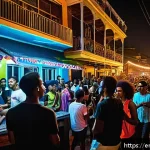
If you’ve been dreaming of exploring Brazil beyond the usual tourist trails, hitchhiking might just be the ultimate adventure in 2024. With Brazil’s vibrant culture and breathtaking landscapes, it’s tempting to hit the road and connect with locals in the most authentic way possible.
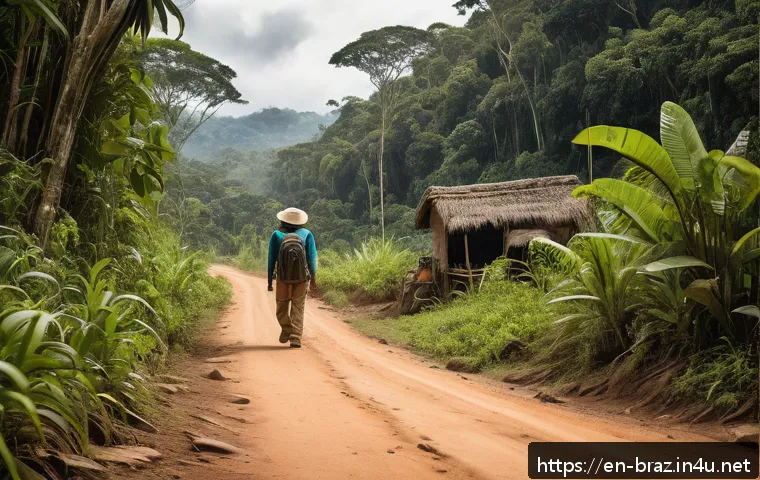
But is hitchhiking safe and practical in today’s Brazil? Recent shifts in travel trends and safety measures have changed the game, making it essential to understand what to expect.
Whether you’re a seasoned traveler or a curious soul craving a unique journey, let’s dive into what hitchhiking in Brazil really looks like this year—and how to make it an unforgettable experience.
Stick around if you want insider tips and real stories from the road!
How to Navigate Hitchhiking in Brazil’s Diverse Regions
Understanding Regional Differences in Hitchhiking Culture
Brazil isn’t a one-size-fits-all country when it comes to hitchhiking. The experience can vary dramatically depending on whether you’re in the bustling streets of São Paulo, the laid-back coastal roads of Bahia, or the remote stretches of the Amazon basin.
For instance, in southern Brazil, drivers are generally more accustomed to tourists and open to giving rides, while northern regions might require more patience and a bit of local language skill to break the ice.
I remember hitching along the highways near Florianópolis, and people were surprisingly friendly, often stopping just to chat before offering a ride. However, in less touristy areas, it’s essential to pay close attention to safety and timing, as roadside stops can be few and far between.
Timing and Weather Considerations for a Smooth Journey
Timing your hitchhiking adventure can make or break the experience. Brazil’s climate varies widely, from tropical in the north to temperate in the south, which affects not only your comfort but also the frequency of passing vehicles.
The rainy season, especially in Amazonian and coastal regions, can turn highways into muddy, slippery paths that most drivers avoid, reducing your chances of catching a lift.
On the other hand, the dry season tends to have more traffic and clearer roads, but heat can be intense, so staying hydrated and wearing sun protection is critical.
Early mornings and late afternoons are often the best times to hitchhike because more people are on the road, either commuting or traveling between towns.
Practical Tips for Flagging Down Rides Safely and Effectively
When it comes to actually getting a ride, the way you present yourself matters a lot. Brazilians tend to be warm and open, but a friendly smile and a clear, non-threatening posture go a long way.
Holding a simple cardboard sign with your destination written in Portuguese can dramatically increase your chances, especially on busy highways. Also, positioning yourself near gas stations or rest stops rather than random roadside spots tends to attract drivers who are more relaxed and willing to chat.
From my personal experience, it’s best to keep your valuables discreet and always trust your instincts if a ride feels off. Most people are genuinely helpful, but being cautious adds peace of mind.
Safety First: Navigating Risks and Staying Secure
Common Safety Concerns and How to Mitigate Them
Safety is the number one question for anyone thinking about hitchhiking in Brazil. While violent incidents are relatively rare, petty theft and scams can happen, especially in urban areas or near major tourist hotspots.
One practical tip I picked up was to avoid hitchhiking at night and always share your travel plans with someone back home or on social media. Carrying a portable phone charger and having emergency contacts saved can be a lifesaver.
Also, wearing simple, neutral clothing without flashy accessories helps you blend in better and avoid unwanted attention. Remember, your gut feeling is your best defense — if something doesn’t feel right, it’s okay to politely decline a ride.
How Local Communities Influence Safety
Brazilian hospitality is renowned worldwide, but local communities can vary greatly in their openness to strangers. In small towns and rural areas, hitchhikers often find themselves embraced as guests, invited for coffee or even meals.
This warm reception can make the journey feel incredibly enriching but also requires respect for local customs and etiquette. On the flip side, in larger cities, the hustle and bustle mean people are often in a rush and less likely to stop, so patience and persistence are key.
I once hitched through a remote village where a family insisted I stay overnight — an experience that added a heartfelt layer to my trip, but also reminded me to be mindful and grateful.
Essential Safety Gear and Apps for Hitchhikers
Technology has become a great ally for modern hitchhikers in Brazil. Apps like Waze and Google Maps help you track traffic patterns and identify good hitchhiking spots, while local WhatsApp groups can connect you with fellow travelers and locals offering tips or rides.
Carrying a small first aid kit, a whistle, and a flashlight are practical safety measures I always recommend. Additionally, investing in a SIM card with decent data coverage can be crucial, especially when traveling through less populated areas.
These tools not only enhance your safety but also help you stay connected and flexible throughout your adventure.
Decoding the Legal Landscape of Hitchhiking in Brazil
Is Hitchhiking Legal? What You Need to Know
Contrary to some misconceptions, hitchhiking itself is not illegal in Brazil, but there are nuances that travelers should be aware of. Certain highways, especially federal ones, have restrictions on pedestrian presence and hitchhiking due to safety concerns.
Fines and warnings may be issued if you’re found standing in prohibited zones or causing traffic disruptions. It’s wise to research local laws in the states you plan to visit and always prioritize spots where hitchhiking is permitted.
I’ve found that roadside rest areas and gas stations are generally safe bets and less likely to cause legal trouble.
How Law Enforcement Views Hitchhikers
Police attitudes toward hitchhikers can vary widely. In some regions, officers might stop to check your identification or ask questions out of concern for your safety or local regulations.
Being polite and cooperative goes a long way in these encounters. Sharing your travel plans and showing that you’re respectful of the rules often turns these moments into friendly exchanges rather than stressful experiences.
On one occasion, a local officer in Minas Gerais even gave me advice on the best routes and places to avoid — a reminder that law enforcement can be a helpful resource rather than a hurdle.
Local Etiquette and Respecting Road Rules
Understanding and respecting Brazilian road culture is essential for hitchhikers. Drivers expect pedestrians to be predictable and avoid sudden movements near traffic.
Wearing bright colors or reflective gear can increase your visibility, especially in low-light conditions. Brazilians are known for their warmth, but they also appreciate travelers who observe local customs, such as greeting with a friendly “bom dia” or “boa tarde” when asking for a ride.
Demonstrating respect for drivers’ time and space often translates into more generous offers and a smoother journey.
Connecting with Locals: The Heart of Brazilian Hitchhiking
Building Genuine Connections on the Road
One of the most rewarding parts of hitchhiking in Brazil is the chance to connect deeply with locals. Unlike organized tours or public transport, hitchhiking opens the door to spontaneous conversations and unexpected friendships.
Drivers often share stories about their hometowns, local festivals, and favorite foods — turning a simple ride into a cultural exchange. I vividly recall a ride through the coffee region of Minas Gerais where my driver invited me to visit his family farm, an experience I never would have had otherwise.
These moments bring a human touch to travel that’s hard to replicate.
Language Tips for Breaking the Ice
Portuguese is the official language, and while many Brazilians speak some English in tourist areas, learning basic Portuguese phrases can dramatically improve your hitchhiking experience.
Simple greetings, questions like “para onde vai?” (where are you going?), and expressions of gratitude go a long way. Using a translation app on your phone can help bridge gaps, but locals often appreciate even minimal effort to speak their language.
From my experience, showing curiosity and respect for the language often sparks smiles and more willingness to help.
How Festivals and Events Impact Hitchhiking Opportunities
Brazil’s calendar is packed with vibrant festivals and cultural events that can either complicate or enhance your hitchhiking plans. During Carnival or local celebrations, roads near event venues can become congested, making hitchhiking slower but also more social, as drivers are often in high spirits and open to conversation.
On the other hand, less busy periods may offer quicker rides but fewer opportunities for interaction. Planning your route around such events can lead to unforgettable experiences and unique stories, but flexibility is key to adapting to changing traffic and social dynamics.
Essential Gear and Packing Strategies for Hitchhikers
What to Bring for Comfort and Convenience
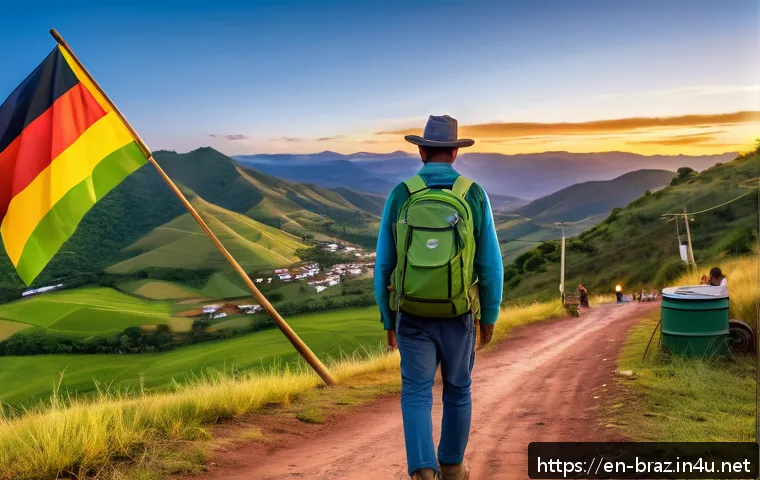
Packing light yet smart is crucial when hitchhiking across Brazil’s varied landscapes. A sturdy backpack with compartments for water bottles, snacks, and rain gear is a must.
Comfortable shoes that can handle long waits and occasional hikes are indispensable. Personally, I always carry a lightweight hammock and a small towel, which come in handy for impromptu rest stops.
Sunscreen and insect repellent are essential, especially in tropical regions. Having a compact power bank to keep your phone charged ensures you’re never out of touch, and a reusable water bottle helps reduce plastic waste while keeping you hydrated.
Packing for Safety and Emergencies
Beyond comfort, safety gear shouldn’t be overlooked. A whistle can alert others if you need help, and a small flashlight is useful for early morning or dusk travel.
Carrying a basic first aid kit allows you to handle minor cuts or insect bites without hassle. I’ve found that having a printed map or offline GPS app is a lifesaver in areas with patchy internet.
Also, keeping copies of important documents, like your passport and emergency contacts, both digitally and physically, can ease potential stress in unexpected situations.
Tech Tools That Enhance Your Hitchhiking Experience
Smartphones have transformed how hitchhikers navigate the world, and Brazil is no exception. GPS apps help you identify safe spots to hitch rides and estimate travel times.
Social media platforms and hitchhiking forums connect you with fellow travelers and locals who can offer advice or even rides. Portable Wi-Fi hotspots or local SIM cards with data ensure you stay connected in remote areas.
Additionally, apps for language translation and currency conversion come in handy. In my own journeys, these tools have helped me avoid delays, find welcoming communities, and stay safe throughout my trip.
Popular Hitchhiking Routes and Their Unique Challenges
Exploring the Coastal Highway (BR-101)
The BR-101, running along Brazil’s stunning coastline, is a favorite among hitchhikers seeking breathtaking ocean views and vibrant beach towns. This route offers plenty of opportunities to meet surfers, fishermen, and fellow travelers, making rides more sociable and scenic.
However, traffic can be heavy near major cities like Rio de Janeiro and Salvador, requiring patience and strategic placement for catching rides. Beaches and roadside kiosks often serve as good spots to wait, but be prepared for fluctuating weather, especially during the wet season.
Personally, hitchhiking this stretch felt like a moving festival, with music and laughter filling the car rides.
Crossing the Amazon and Northern Trails
Venturing into the Amazon region presents a very different hitchhiking experience — one that’s more rugged and less predictable. Roads are fewer and often unpaved, with long stretches between towns.
Here, hitchhiking is less common but can be rewarding for those seeking off-the-beaten-path adventure. Safety considerations are heightened, and travel times can be much longer.
During my trip through Pará, I relied heavily on local advice and planned stops carefully to avoid being stranded. The lush scenery and encounters with indigenous communities made every challenge worth it.
Highlands and Mountainous Routes of Minas Gerais and Goiás
The interior highlands offer cooler climates and rolling hills that contrast sharply with Brazil’s coastal heat. Hitchhiking here can be easier due to less traffic but also slower, as towns are more spread out.
Drivers tend to be locals transporting goods or commuting between small cities, providing a genuine glimpse into everyday Brazilian life. On one memorable trip through Minas Gerais, I was invited to a local festa junina (June festival), which turned a routine ride into a cultural highlight.
The varied terrain means you should prepare for changes in weather and road conditions, but the hospitality you’ll find is well worth the effort.
| Route | Key Features | Challenges | Best Time to Travel |
|---|---|---|---|
| BR-101 Coastal Highway | Scenic ocean views, vibrant beach towns, sociable rides | Heavy traffic near cities, weather variability | Dry season (May to September) |
| Amazon and Northern Trails | Remote, lush rainforest, indigenous communities | Limited roads, long distances, safety concerns | Dry season (July to December) |
| Minas Gerais & Goiás Highlands | Cooler climate, cultural festivals, local drivers | Sparse traffic, changing terrain, weather shifts | April to October |
How to Make Your Brazilian Hitchhiking Journey More Rewarding
Embracing Flexibility and Spontaneity
One of the best lessons I’ve learned from hitchhiking in Brazil is to let go of rigid plans. Often, the most memorable moments come from unexpected detours or last-minute invitations.
Brazilians are incredibly warm and spontaneous, and being open to changing your route or schedule can lead to unique experiences — like joining a street party or exploring hidden gems off the map.
Staying flexible also helps you manage delays or long waits without frustration, turning them into opportunities to relax and soak in your surroundings.
Sharing Your Story and Learning from Others
Hitchhiking creates a natural storytelling environment. Sharing your experiences with other travelers or locals can open doors to new connections and advice.
I often found that swapping tales at roadside cafes or hostels enriched my journey and helped me avoid common pitfalls. Keeping a travel journal or blogging about your adventures not only preserves memories but can inspire others to explore Brazil in a more authentic way.
Plus, it creates a sense of community around the hitchhiking lifestyle.
Respecting Nature and Local Environments
Brazil’s natural beauty is one of its biggest draws, and as hitchhikers, we have a responsibility to protect it. Always dispose of waste properly, avoid disturbing wildlife, and stick to marked trails when exploring.
Supporting local businesses and artisans during your stops helps sustain the communities you visit. On my trips, I try to leave each place better than I found it, which often leads to deeper appreciation and reciprocal kindness from locals.
Responsible travel ensures that hitchhiking remains a viable and rewarding option for future adventurers.
Conclusion
Hitchhiking in Brazil offers a unique blend of adventure, cultural immersion, and unexpected kindness. Each region brings its own flavor and challenges, making flexibility and respect essential companions on the road. By staying aware of safety, local customs, and timing, travelers can create memorable journeys that go beyond just transportation. Embracing the spirit of connection and openness truly unlocks the heart of Brazilian hitchhiking.
Useful Information to Keep in Mind
1. Always carry a simple sign with your destination written in Portuguese to improve your chances of getting a ride.
2. Avoid hitchhiking at night and share your travel plans with someone you trust for added safety.
3. Use technology like GPS apps and local messaging groups to find safe spots and connect with locals.
4. Dress modestly and keep valuables discreet to blend in and avoid unwanted attention.
5. Learn basic Portuguese phrases to break the ice and show respect for local culture.
Key Takeaways for a Successful Hitchhiking Experience
Understanding regional differences is crucial; southern areas tend to be more welcoming, while northern routes require patience and preparation. Prioritize safety by choosing well-trafficked spots like gas stations and rest areas, and trust your instincts when accepting rides. Respect local customs, road rules, and law enforcement to ensure smooth interactions. Lastly, embrace the unpredictable nature of hitchhiking with flexibility and an open mind to make the most of your Brazilian adventure.
Frequently Asked Questions (FAQ) 📖
Q: uestions about Hitchhiking in Brazil 2024Q1: Is hitchhiking safe in Brazil in 2024?
A: Hitchhiking in Brazil has become safer than in previous years, especially when you stick to well-traveled routes and daytime hours. Many travelers report positive encounters with locals who are eager to help and share stories.
However, safety can vary greatly depending on the region—urban areas and popular tourist spots generally feel more secure, while remote or less-developed areas require extra caution.
Always trust your instincts, avoid hitchhiking at night, and consider using apps or local advice to identify safer spots. Personally, I found that engaging with locals before getting a ride helped build trust and made the experience more enjoyable and secure.
Q: How practical is hitchhiking for covering long distances in Brazil?
A: Hitchhiking in Brazil can be surprisingly practical for long distances, especially along major highways connecting big cities like Rio de Janeiro, São Paulo, and Florianópolis.
Drivers often travel long stretches and are open to picking up hitchhikers who appear friendly and respectful. That said, wait times can be unpredictable, so it’s smart to have a flexible schedule and backup plans such as buses or rideshare apps.
From my own travels, I noticed that carrying a simple sign with your destination and smiling genuinely made a huge difference in getting rides faster.
Patience and a positive attitude truly go a long way.
Q: What are some insider tips for a memorable hitchhiking experience in Brazil?
A: To make your hitchhiking adventure in Brazil unforgettable, here are a few insider tips: first, learn some basic Portuguese phrases; locals appreciate the effort and it breaks the ice instantly.
Second, dress casually but neatly—this helps you appear approachable and trustworthy. Third, carry snacks and water because you never know how long you might wait.
Lastly, always share your travel plans with someone back home for safety. I remember a ride where the driver invited me to a local festival after dropping me off—those spontaneous moments are the real treasure of hitchhiking.
Embrace the unpredictability, stay open-minded, and you’ll create stories worth telling.