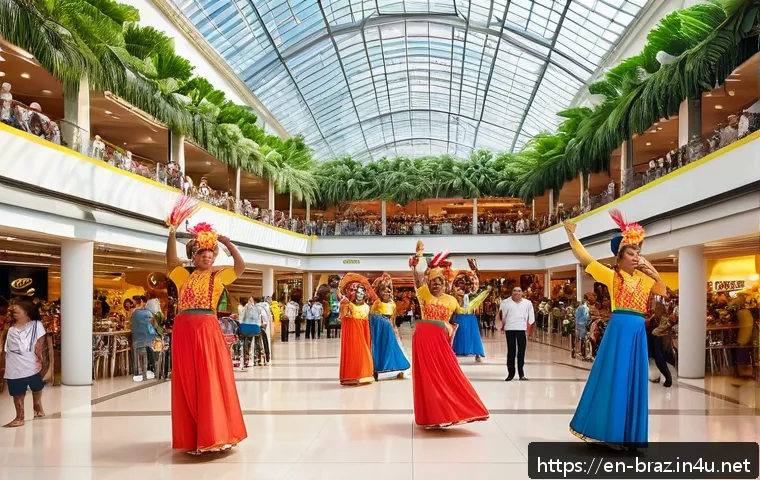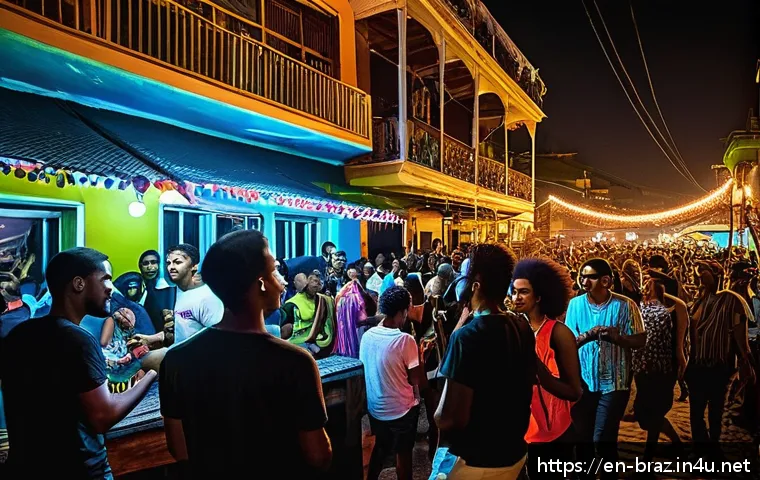
As Brazil’s nightlife bounces back stronger than ever, Rio and São Paulo are lighting up with electrifying energy and world-class dance scenes that no traveler should miss.
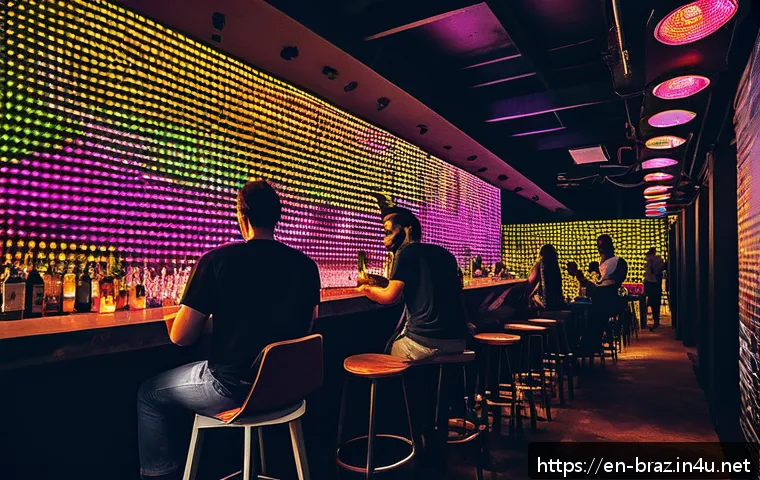
From pulsating beats to vibrant crowds, these cities offer an immersive experience where music and culture collide. Whether you’re a seasoned partygoer or a curious explorer, the hottest clubs here promise unforgettable nights filled with rhythm and passion.
Let’s dive into what makes Brazil’s electric nightlife a must-experience phenomenon in 2024, revealing hidden gems and iconic spots that keep the dance floors alive till dawn.
Get ready to discover the heart of Brazil’s dance culture like never before!
The Pulse of Rio’s Nightlife: More Than Just Music
The Soul Behind the Beats
Every time I’ve stepped into a Rio nightclub, it’s like entering a living, breathing organism fueled by samba and electronic rhythms. What’s fascinating is how these clubs blend traditional Brazilian sounds with contemporary music, creating an atmosphere that’s both nostalgic and fresh.
You don’t just listen to the music here—you feel it coursing through your veins. The DJs and live bands often mix Afro-Brazilian percussion with modern beats, which keeps the dance floor moving non-stop.
From my experience, this fusion is what sets Rio apart from other nightlife scenes around the world.
Iconic Venues That Define Rio’s Vibe
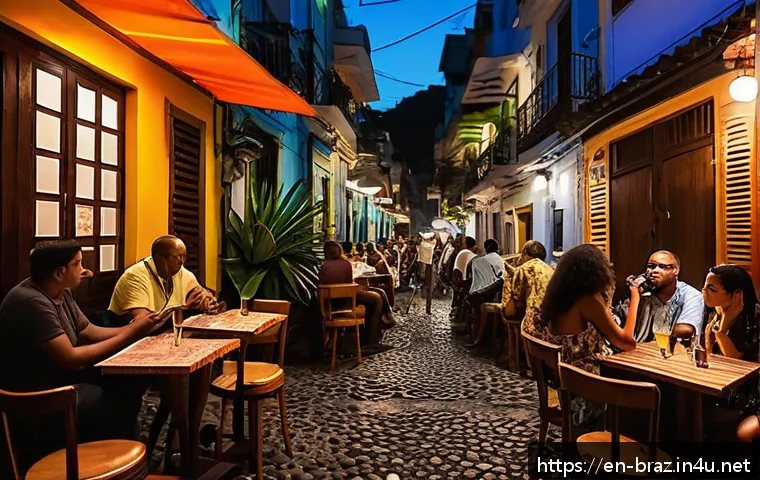
Places like Lapa and Copacabana are legendary for their vibrant energy and welcoming crowds. I remember one night at a hidden speakeasy in Lapa where the crowd was a perfect mix of locals and tourists, all united by the infectious rhythms.
These spots are not just about partying; they’re cultural hubs where stories, friendships, and memories are made. What’s more, many clubs here offer open-air sections or rooftop views, letting you soak in the city’s breathtaking nightscape while dancing the night away.
The Unique Crowd and Social Scene
Unlike the typical nightclub scene elsewhere, Rio’s nightlife feels deeply communal. People here dance close, laugh loudly, and genuinely enjoy the moment together.
I noticed that locals often bring their own style and flair, which makes every night different. Whether you’re rubbing shoulders with samba dancers or electronic music fans, the vibe is always inclusive.
It’s no surprise that many travelers, including myself, return just to experience this warmth and energy again.
São Paulo’s Nightlife Evolution: From Underground to Mainstream
The Rise of Electronic Music and Innovation
São Paulo has always been a city of contrasts, and its nightlife perfectly mirrors this. Over the past few years, the electronic music scene has exploded, with underground clubs turning into mainstream hotspots without losing their raw edge.
I once spent an entire night in a warehouse-turned-club that felt like a secret society for electronic music lovers. The sound systems here are state-of-the-art, and the lighting designs are nothing short of spectacular, creating an immersive experience that’s hard to forget.
Mixing Business with Pleasure
What’s unique about São Paulo is its blend of corporate energy and creative freedom. Many clubs host themed nights that attract professionals looking to unwind after work, alongside artists and musicians pushing boundaries.
This mixture results in an eclectic crowd that’s both stylish and passionate about music. I noticed that the dress codes are more relaxed compared to other major cities, encouraging self-expression and comfort, which makes the vibe even more electric.
Late-Night Food and Drink Culture
After hours of dancing, São Paulo’s food scene kicks in with an array of street food vendors and late-night bars serving up delicious local treats. I personally love grabbing a pastéis or a spicy coxinha from a street stall around 3 a.m., which perfectly complements the energy of the night.
The cocktail culture here is also booming, with mixologists crafting unique drinks using tropical fruits and local spirits, elevating the entire nightlife experience.
Hidden Gems That Will Surprise Even Seasoned Night Owls
Secret Spots Off the Beaten Path
While the big names get most of the attention, Brazil’s nightlife is packed with lesser-known venues that offer equally thrilling experiences. In Rio, I stumbled upon a small jazz bar tucked away in a side street of Ipanema that combined intimate live performances with cozy vibes.
These hidden gems often feature local musicians and DJs who bring fresh sounds that you won’t find in mainstream clubs.
Community-Driven Nightlife Spaces
Some venues focus on fostering community and cultural exchange rather than just commercial success. For instance, São Paulo has several collectives that organize pop-up parties with a strong emphasis on inclusivity and sustainability.
I had the chance to attend one of these events, and it was eye-opening to see how nightlife can be a platform for social change while still being incredibly fun.
Affordable Alternatives Without Sacrificing Quality
Contrary to popular belief, you don’t have to break the bank to enjoy a night out in Brazil’s top cities. Many underground clubs offer affordable entry fees or free nights, especially midweek, allowing travelers on a budget to experience authentic nightlife without compromise.
I always recommend checking local event listings or asking locals for insider tips to discover these budget-friendly options.
The Role of Dance and Movement in Brazilian Nightlife
Samba, Forró, and Beyond
Dance is at the heart of Brazil’s nightlife culture. Whether it’s samba, forró, or funk carioca, these traditional dance styles are not just performances but invitations to participate.
I found that even if you don’t speak Portuguese, the universal language of dance here bridges cultural gaps instantly. Many clubs offer beginner dance lessons early in the evening, which is a fantastic way to break the ice and connect with others.
Dance Floors as Social Equalizers
What’s remarkable is how dance floors in Brazil function as social equalizers. People from all walks of life come together to celebrate through movement, creating an atmosphere where status and background fade away.
From my firsthand observations, this openness makes the nightlife experience more genuine and memorable, especially for visitors seeking authentic cultural immersion.
Expressing Identity Through Movement
In Brazilian clubs, dance is also a form of self-expression and identity. I’ve seen dancers incorporate personal flair, storytelling, and emotion into their moves, transforming the night into a shared artistic expression.
This dynamic adds depth to the nightlife scene, making it more than just entertainment but a celebration of life’s rhythm.
Safety Tips and Navigating Nightlife Like a Local
Choosing the Right Neighborhoods
Brazilian nightlife is exhilarating but navigating it safely requires some insider knowledge. From my experience, sticking to well-known nightlife districts such as Lapa in Rio or Vila Madalena in São Paulo significantly reduces risks.
These areas are well-patrolled and filled with fellow partygoers, making them ideal for first-timers.
Practical Safety Measures
Simple precautions go a long way—always keeping an eye on your belongings, avoiding excessive cash on hand, and using registered taxis or ride-sharing apps to get around.
I’ve personally found that blending in with the crowd and staying aware of your surroundings helps maintain a stress-free night out. Also, many clubs have strict ID checks and security, which adds an extra layer of safety.
Local Etiquette and Respectful Behavior
Understanding and respecting local customs can enhance your experience and keep you in good standing with locals. For instance, greeting with a smile, respecting personal space on the dance floor, and tipping bartenders appropriately are small gestures that go a long way.
From what I’ve learned, Brazilians appreciate when visitors show genuine interest and respect for their culture, which often results in warmer interactions.
Comparing Rio and São Paulo Nightlife Experiences
| Aspect | Rio de Janeiro | São Paulo |
|---|---|---|
| Music Style | Samba, Funk Carioca, Live Bands | Electronic, House, Underground DJs |
| Atmosphere | Open-air, Festive, Communal | Urban, Trendy, Diverse |
| Crowd | Mixed locals and tourists, very social | Young professionals, creatives, eclectic |
| Typical Venue | Beachfront clubs, historic neighborhoods | Warehouses, modern lounges, pop-up spaces |
| Food & Drink | Street food, caipirinhas, tropical fruits | Gourmet cocktails, late-night street food |
| Safety | Tourist-friendly zones, active nightlife police | Well-lit areas, extensive security at venues |
How Festivals Shape the Nightlife Scene Year-Round
Influence of Carnaval and Beyond
While Carnaval is world-famous, the festival’s spirit permeates nightlife all year round. Many clubs host themed parties and live performances inspired by the festival’s colors, costumes, and energy.
I attended one such event that transformed a São Paulo club into a mini Carnaval, complete with dancers and percussionists. The infectious enthusiasm made the night unforgettable.
Seasonal Music Events and DJ Showcases
Throughout the year, both cities host internationally renowned DJs and music festivals that attract huge crowds. These events often blend local and global sounds, giving attendees a taste of Brazil’s evolving music landscape.
From my visits, these festivals are a great way to experience the latest trends and meet fellow music lovers.
Community and Cultural Celebrations
Beyond commercial festivals, local communities organize celebrations that highlight regional music and dance traditions. These events offer a more intimate glimpse into Brazil’s cultural diversity.
I’ve found that participating in these gatherings adds a deeper layer of appreciation for the country’s nightlife beyond the typical club scene.
Conclusion
Brazil’s nightlife is a vibrant tapestry woven from rich cultural rhythms, diverse crowds, and unforgettable experiences. Whether you find yourself dancing under the stars in Rio or exploring São Paulo’s cutting-edge clubs, the energy and warmth are undeniable. Embracing local customs and exploring hidden gems will deepen your connection to this dynamic scene. Ultimately, Brazil’s nightlife offers more than just entertainment—it’s a celebration of life itself.
Useful Information to Keep in Mind
1. Nightlife districts like Lapa in Rio and Vila Madalena in São Paulo offer safer, lively environments perfect for newcomers.
2. Many venues blend traditional Brazilian music with modern beats, so expect an exciting fusion of sounds.
3. Late-night food stalls serve delicious local snacks, making it easy to keep your energy up while you explore.
4. Affordable entry options exist, especially at underground clubs or midweek events, so you don’t have to overspend.
5. Respecting local etiquette, such as greeting with a smile and tipping appropriately, enhances your experience and interactions.
Key Takeaways
Brazilian nightlife thrives on its cultural diversity and the communal spirit of dance and music, offering something for every type of night owl. Prioritizing safety by choosing well-known neighborhoods and staying aware of your surroundings is essential. Engaging with local customs and exploring beyond mainstream venues unlocks a richer, more authentic experience. Finally, the evolving festival scene keeps the energy alive year-round, making Brazil a must-visit destination for night enthusiasts.
Frequently Asked Questions (FAQ) 📖
Q: What are the best neighborhoods in Rio de Janeiro and São Paulo to experience the nightlife?
A: In Rio de Janeiro, neighborhoods like Lapa and Ipanema are legendary for their nightlife. Lapa offers a vibrant street party atmosphere with live samba and forró music, while Ipanema boasts chic bars and beachside clubs perfect for a stylish night out.
In São Paulo, Vila Madalena is the go-to spot for bohemian vibes and intimate bars, whereas the Jardins district features upscale clubs with world-class DJs.
From my own visits, hopping between these areas gives you a perfect mix of local culture and cutting-edge music scenes.
Q: Is it safe for tourists to enjoy nightlife in these cities?
A: Yes, but with some common-sense precautions. Both Rio and São Paulo have improved security in popular nightlife districts, especially around main club areas.
I always recommend sticking to well-lit, crowded venues, avoiding flaunting valuables, and using trusted transportation like registered taxis or ride-sharing apps late at night.
Locals are generally friendly and welcoming, so blending in and respecting local customs makes the experience much smoother and more enjoyable.
Q: What types of music and dance styles can I expect at these clubs?
A: Brazil’s nightlife is a rich tapestry of sounds. In Rio, you’ll find everything from traditional samba and bossa nova beats to modern electronic and funk carioca, a high-energy genre unique to the city.
São Paulo’s scene is incredibly diverse, featuring house, techno, hip-hop, and Brazilian pop alongside underground electronic music. Personally, I’ve been blown away by how seamlessly the clubs mix live performances with DJ sets, creating nights full of infectious rhythms that invite everyone to dance till dawn.