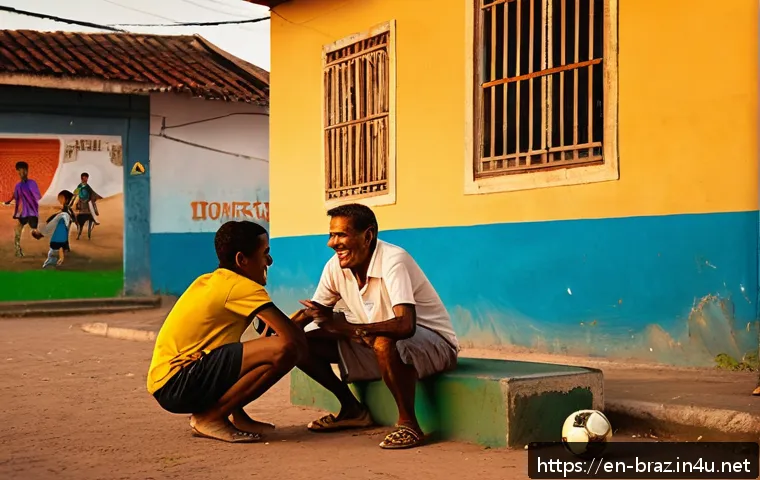
Hey there, sports fans! As the world buzzes about the latest Copa America highlights and Brazil’s rising soccer stars, it’s impossible to ignore how deeply football is woven into the country’s identity.
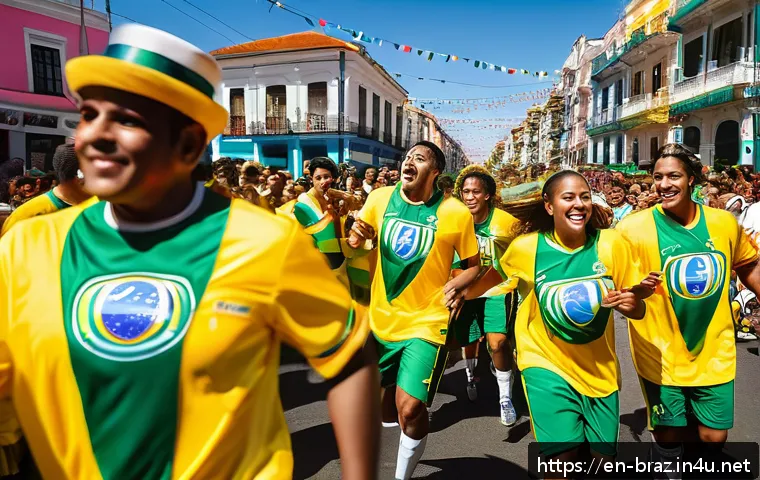
More than just a game, football in Brazil is a powerful cultural force that unites communities and sparks passion unlike any other sport. Today, let’s dive into why football holds such an unrivaled place in Brazilian hearts and how it shapes their vibrant sports culture.
Stick around—you might discover some surprising insights that go beyond the pitch!
The Pulse of Brazilian Passion: Community and Identity Through Football
How Football Becomes a Social Glue
In Brazil, football is far more than a sport — it’s a vital thread that stitches communities together. Neighborhoods gather around local pitches, where kids play barefoot and old-timers chat about legendary matches.
I’ve seen firsthand how a simple game can break down social barriers, uniting people across ages and backgrounds. When a local team wins, the entire community celebrates as if it’s a family victory.
It’s this collective spirit that transforms football into a shared language, a powerful connector that reinforces identity and belonging in a way few other activities can.
The Role of Street Football in Shaping Talent and Culture
Street football isn’t just a pastime in Brazil; it’s a breeding ground for creativity and skill. Watching young players weave through tight spaces with incredible agility, I realized how much these informal games influence Brazil’s signature style—flair, improvisation, and joy.
Unlike structured training, street football encourages spontaneity and resilience, qualities that many Brazilian stars attribute to their early experiences.
This grassroots culture feeds directly into professional leagues and national pride, making football an organic expression of Brazilian life itself.
Football as a Mirror of Brazilian Society
Football reflects Brazil’s complex social fabric, mirroring its struggles and triumphs. Stadiums become arenas where issues like inequality, race, and hope play out on the grand stage.
From the vibrant chants echoing social justice themes to players using their platforms for activism, football is deeply intertwined with the country’s evolving identity.
I’ve noticed how matches often spark conversations beyond sports, serving as catalysts for social awareness and unity during challenging times.
Crafting Legends: The Influence of Brazil’s Football Icons
The Journey of Icons From Humble Beginnings
Brazilian football legends often share stories of rising from humble neighborhoods to international stardom. Icons like Pelé, Neymar, and Marta inspire millions not just through their talent but by embodying perseverance and passion.
Personally, learning about their journeys made me appreciate how deeply football is embedded in Brazil’s cultural narrative—it’s a beacon of hope and a testament to hard work paying off against all odds.
How Star Players Shape the National Mood
When Brazil’s football stars take the field, they carry more than just a jersey—they carry the hopes of a nation. I’ve observed during major tournaments how the mood across cities shifts with every goal or defeat, illustrating how players become emotional anchors for millions.
Their performances influence everything from local economies to national pride, proving that these athletes are cultural ambassadors as much as sports figures.
Legends Inspiring the Next Generation
The impact of football legends goes beyond their playing years. Their stories and styles become templates for aspiring players, fueling dreams from small towns to big cities.
In Brazil, schools and academies often highlight these stars to motivate youth, showing how football is both a career path and a cultural inheritance.
This ongoing inspiration cycle ensures Brazil remains a powerhouse in the sport while nurturing a deep-rooted love for the game.
Football’s Role in Brazilian Festivals and Celebrations
Match Days as National Celebrations
Match days in Brazil feel like a festival, filled with music, dance, and vibrant street parties. From early morning to late night, entire neighborhoods transform, with vendors selling traditional snacks and fans donning team colors.
I’ve been swept up in these celebrations, where the excitement is contagious and the atmosphere electric. It’s fascinating how football triggers spontaneous festivities that blend sport with cultural expression seamlessly.
Integrating Football Into Carnival and Local Traditions
Football’s presence during Brazil’s famous Carnival adds a unique flavor to the festivities. Parades sometimes feature football-themed floats, and samba schools compose songs celebrating local teams.
This fusion of sport and tradition highlights how football is not an isolated activity but part of the broader cultural tapestry. Experiencing this blend firsthand reveals how deeply football is woven into Brazil’s social rituals and joyful expressions.
Community Events Centered Around Football
Local football tournaments often serve as community events that promote social cohesion and local pride. I’ve attended neighborhood competitions where the emphasis wasn’t just on winning but on celebrating togetherness.
These gatherings showcase how football provides a platform for cultural exchange, economic activity, and even local charity efforts, illustrating its multifaceted role beyond the professional stage.
The Economic Impact of Football in Brazil’s Local and National Landscape
Football as a Driver of Local Economies
In cities and towns across Brazil, football clubs are significant economic engines. Match days bring increased business to local vendors, transport services, and hospitality industries.
From my visits to smaller stadiums, I noticed how crucial these events are for sustaining livelihoods, especially in economically challenged areas. Football’s ripple effect on local economies highlights its importance far beyond the sport itself.
Investment and Sponsorship Trends in Brazilian Football
Sponsorship deals and investments in Brazilian football have grown exponentially, reflecting the sport’s global appeal. Brands see partnerships as opportunities to tap into Brazil’s passionate fanbase, while clubs benefit from increased financial resources.
Following these trends reveals the professionalization of football in Brazil, where commercial interests increasingly shape the game’s future and influence player development.
Tourism Boost Linked to Major Football Events
International tournaments and high-profile matches attract thousands of tourists, injecting substantial revenue into host cities. I’ve witnessed firsthand how football events create a festive atmosphere that boosts hotels, restaurants, and local attractions.
This tourism surge not only benefits the economy but also promotes Brazil’s cultural heritage on a global stage, intertwining sport with national identity.
The Evolution of Women’s Football in Brazil
Breaking Barriers and Changing Perceptions
Women’s football in Brazil has faced significant challenges but is now experiencing a remarkable rise. I recall conversations with fans and players who described overcoming stereotypes and limited support.
Today, growing media coverage and increased investment are helping to change perceptions, empowering female athletes to shine and inspiring a new generation to pursue the sport.
Key Figures Leading the Women’s Game
Players like Marta have become icons not only for their skills but for championing gender equality in sports. Their visibility and advocacy have drawn attention to women’s football, pushing for better infrastructure and opportunities.
Observing their impact shows how individual leadership can drive systemic change, fostering respect and recognition in a traditionally male-dominated arena.
Community Initiatives Supporting Girls and Women
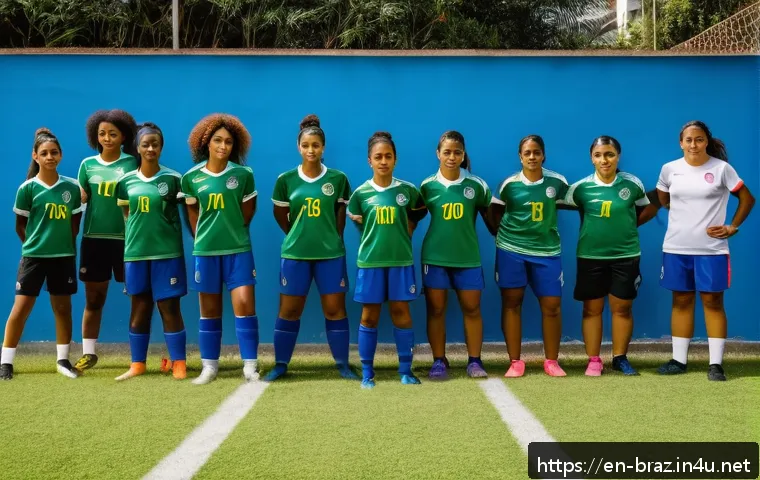
Grassroots programs focusing on girls’ football are gaining momentum, creating inclusive spaces for young women to develop skills and confidence. I’ve visited such initiatives where the emphasis is on empowerment through sport, highlighting football’s potential to promote social progress.
These efforts are crucial for sustaining the growth of women’s football and ensuring its future in Brazil’s sporting landscape.
Brazilian Football and Its Global Footprint
Exporting Talent and Style Worldwide
Brazilian players are celebrated worldwide for their unique style and creativity. I’ve followed several careers where athletes started in small Brazilian clubs before becoming international stars.
This export of talent enriches leagues globally while reinforcing Brazil’s reputation as a football powerhouse. It’s remarkable how a style born on local streets can influence tactics and entertainment across continents.
International Fanbase and Cultural Exchange
Brazilian football has a massive international following, with fans from diverse cultures embracing the sport’s passion and artistry. This global fanbase creates cultural exchanges, where Brazilian music, language, and traditions spread alongside football.
From personal experience, watching a Brazil match abroad often feels like a mini cultural festival, bridging gaps and building friendships through shared enthusiasm.
Challenges and Opportunities in Global Football Markets
While globalization offers opportunities, it also presents challenges such as talent drain and commercialization pressures. Navigating these dynamics requires balancing local traditions with global demands.
Observing how Brazilian clubs and players adapt to these changes reveals the ongoing tension between preserving cultural identity and embracing international growth.
| Aspect | Impact | Example |
|---|---|---|
| Community Unity | Strengthens social bonds and local identity | Neighborhood celebrations after local team victories |
| Economic Boost | Generates revenue for local businesses and tourism | Match day commerce in small towns |
| Talent Development | Fosters creativity and skill from grassroots level | Street football shaping professional players |
| Women’s Football Growth | Promotes gender equality and sports inclusion | Rise of Marta and grassroots programs |
| Global Influence | Spreads Brazilian football culture worldwide | Brazilian stars in international leagues |
Conclusion
Football in Brazil is much more than a game; it is a living expression of culture, identity, and community spirit. From the streets to the grand stadiums, the sport connects people across generations and backgrounds. Its impact resonates socially, economically, and globally, shaping not only athletes but entire societies. Experiencing Brazilian football reveals a vibrant story of passion and resilience that continues to inspire the world.
Helpful Information
1. Football serves as a powerful social glue, uniting diverse communities through shared passion and celebrations.
2. Street football plays a crucial role in developing unique skills and cultural styles that define Brazilian football.
3. Major football events significantly boost local economies by increasing tourism and business activity.
4. Women’s football in Brazil is growing rapidly, breaking down barriers and promoting gender equality in sports.
5. Brazilian football’s global influence spreads culture and talent worldwide, enriching international leagues and fanbases.
Key Takeaways
Football is deeply woven into the social and economic fabric of Brazil, acting as a catalyst for community unity and cultural expression. The sport’s grassroots origins nurture talent and creativity that fuel national pride and international success. Women’s football is emerging as a powerful force, reflecting broader social progress. Meanwhile, football’s global reach both challenges and enriches Brazil’s sporting identity, balancing tradition with modern growth opportunities.
Frequently Asked Questions (FAQ) 📖
Q: Why is football considered more than just a sport in Brazil?
A: Football in Brazil transcends being just a game because it’s deeply embedded in the country’s culture and daily life. It acts as a social glue, bringing together people from all walks of life, whether in bustling cities or remote villages.
The sport sparks immense national pride and emotional connection, often reflecting Brazil’s history, struggles, and joy. Watching or playing football is a shared experience that unites families and communities, making it a vital part of Brazilian identity.
Q: How does football influence Brazilian society beyond the pitch?
A: Beyond the stadiums, football shapes Brazilian society by inspiring social change and creating opportunities for youth. Many players come from humble backgrounds, and football serves as a pathway to a better life.
The sport also fosters community development through local clubs and grassroots programs that teach teamwork, discipline, and leadership. Culturally, football influences music, fashion, and festivals, embedding itself in everyday conversations and celebrations nationwide.
Q: Who are some of the rising Brazilian soccer stars to watch in the coming years?
A: Brazil continuously produces incredible talent, and some of the rising stars making waves include players like Rodrygo Goes, Vinicius Jr., and Antony.
These young athletes have shown remarkable skill and maturity on the international stage, bringing fresh energy to Brazil’s football legacy. Watching their progress offers insight into how Brazil maintains its dominant position in world football while evolving with modern tactics and styles.