Brazil can be a rewarding cycling destination if you plan by region, check road conditions carefully, and build backup transport into the itinerary. Bring your own bicycle if fit and familiarity matter most, rent locally when transport logistics outweigh that benefit, and consider a supported tour when local routing, language help, or mechanical backup is a priority.
The country’s size means a coastal ride, an urban route, and an interior route can require very different preparation. Budget in Brazilian reais (BRL), but check current exchange rates and card acceptance before leaving.
Independent travel offers the most freedom, while self-guided and fully guided cycling tours can reduce the workload around transfers, accommodation, and route support.
The best option is the one that matches your repair skills, comfort with traffic, and tolerance for changing plans.
At a Glance
- Plan by region, not by country: climate, elevation, traffic, road surfaces, and repair access can vary widely across Brazil.
- Choose your setup early: compare bike rental, bicycle transport, travel insurance, and tour support before finalizing the route.
- Keep an exit plan: buses, domestic flights, and other local transport may be useful on long-distance itineraries.
| Travel style | Typical support | Flexibility | Main cost drivers |
|---|---|---|---|
| Independent touring | You arrange routes, accommodation, repairs, and transfers. | High | Bike transport or rental, lodging choices, insurance, food, local transport, repairs |
| Self-guided package | May include route materials, selected logistics, and local support. | Moderate to high | Package inclusions, accommodation level, luggage or transfer support, rental bike quality |
| Fully guided tour | May provide a group schedule, guide support, mechanical help, and arranged logistics. | Lower | Guide and support services, group transfers, accommodation, bike rental, included meals or activities |
Is Brazil a Good Destination for a Cycling Trip?
The short answer: best suited to riders who plan by region, not by country
Brazil can suit a bicycle trip, but it is not a destination to treat as one uniform riding environment. Its geographic scale means that distance, weather, terrain, and road conditions can change substantially from one state or route type to another. A realistic cycling plan starts with a specific region, then works outward to daily distances, overnight stops, resupply options, and transport connections.
What changes between city, coast, mountains, and interior routes
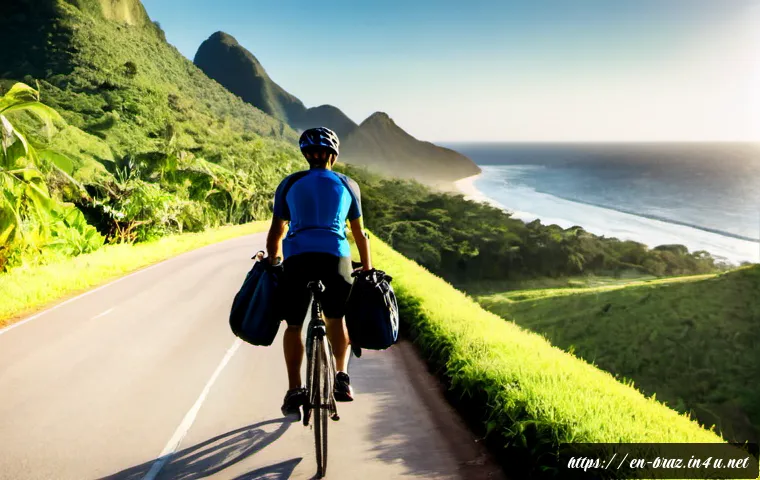
Urban areas can involve heavier traffic and more complex navigation. Coastal routes may have different weather patterns and accommodation availability than interior routes. Mountainous terrain changes the effort required for each day, while rural or remote roads can make shoulder width, mobile coverage, water stops, and bicycle repair access more important. Do not assume that a route that looks short on a map will be simple to ride.
Top priorities before committing to an itinerary
Screen each planned segment for traffic exposure, road quality, elevation, likely food and water stops, repair access, and a practical way to leave the route if necessary. Check current conditions for the exact places you intend to ride, including weather alerts, roadwork, closures, and local safety considerations. Entry rules, health guidance, and travel insurance needs also depend on your passport, itinerary, and current regulations.
Choose the Right Travel Style: Independent, Self-Guided, or Supported
Independent touring: flexibility and greater planning responsibility
Independent touring is best for riders who are comfortable building routes, handling basic mechanical issues, and changing plans when transport or weather does not cooperate. You control the pace, rest days, and accommodation choices. In exchange, you are responsible for confirming bicycle carriage rules, finding repair options, arranging airport transfers, and managing route changes without a support vehicle.
Self-guided packages: route support without a full group schedule
A self-guided cycling package can be a middle ground for travelers who want more freedom than a group tour but less logistical work than a fully independent trip. Review exactly what the package includes. Route support, accommodation arrangements, luggage handling, local contacts, bike rental, and transfers should never be assumed. This option can be useful when you want a prepared route but still prefer to ride at your own pace.
Guided tours: when local logistics and mechanical support justify the cost
A guided bike tour may be worth considering when language support, remote-route confidence, group riding, or mechanical assistance matters more than complete independence. It can also simplify coordination across long distances, where domestic flights, buses, or other transport may be part of the trip. Compare the support level with the actual itinerary: a higher headline price may reflect transfers, guide services, rental equipment, or other inclusions that would otherwise require separate bookings.
Comparison table: support, flexibility, equipment, and main cost drivers
The central decision is not simply “cheap versus expensive.” It is how much uncertainty you want to manage yourself. Independent riders should price the full trip, including bicycle transport or rental, insurance, lodging, local travel, and repair contingencies. Tour travelers should compare what is included, what remains their responsibility, and whether the provided bike or support level fits the route.
Build a Realistic Budget in Brazilian Reais
Fixed expenses: flights, bike transport, insurance, permits, and equipment
Start a BRL-based planning sheet with expenses that are decided before the trip: flights, airline bicycle carriage or bike-box handling, bicycle rental, travel insurance, equipment purchases, and any itinerary-specific permits or bookings. The Brazilian real is the local currency, so check current exchange rates rather than relying on old travel budgets. It is also sensible to confirm card acceptance for the areas you plan to visit.
Daily expenses: lodging, food, water, local transport, and repairs
Daily spending can include accommodation, meals, water, snacks, local transport, laundry, small repairs, and replacement parts. The amount will depend on the route and the choices you make each day. A route with fewer services may require more advance planning for water, food, overnight stops, and a backup ride to the next town.
Costs that vary most by route and season
Accommodation availability, transport needs, weather-related changes, and the difficulty of reaching repair services can all affect total spending. A route may look economical until a delayed transfer, an unexpected repair need, or a change in overnight plans appears. Keep some flexibility in the budget rather than allocating every BRL in advance.
How to compare tour quotes without focusing only on the headline price
Ask for a clear list of inclusions and exclusions. Compare bike rental condition, accommodation arrangements, airport or route transfers, mechanical support, luggage handling, route materials, cancellation terms, and travel insurance requirements. A useful quote makes it easier to see whether a guided cycling tour replaces costs you would otherwise pay and organize separately.
Plan the Route, Weather Window, and Daily Riding Distances
Match terrain and distance to your touring experience
Set daily riding distances based on terrain, traffic, luggage weight, daylight, resupply points, and your own touring experience. A flatter day with regular services can feel very different from a hilly or remote day with limited stopping options. Build in time for navigation, heat, rain, repairs, and changing plans.
Check seasonal rain, heat, wind, and daylight for the exact region
Brazil does not have one cycling season that fits every route. Weather patterns differ by region, so check the expected conditions for the specific states and terrain you plan to ride. Review current forecasts and alerts close to departure, particularly when riding areas where rain, heat, wind, or reduced daylight could change the day’s plan.
Plan resupply points, accommodation stops, and backup transport
Mark where you can obtain water, food, lodging, repair help, and transport. For long-distance trips, a bus, domestic flight, or other connection may be part of a sensible itinerary rather than a failure of the plan. Confirm in advance whether a specific provider accepts boxed or assembled bicycles; policies can differ by company and may change.
Avoid relying on map distance alone
Map distance does not show every practical issue. Before committing to a section, consider road shoulders, traffic volume, surface quality, climbs, available services, and phone coverage. A shorter route with difficult traffic or few exit options may demand more planning than a longer, better-supported route.

Prepare Your Bike, Gear, and Safety Plan
Bring your own bicycle or rent locally: key inspection points
Bring your own bicycle if you value familiar fit, components, and luggage setup—and if you are willing to manage packing and transport rules. Rent locally if avoiding airline bike logistics is more important, but inspect the bike before accepting it. Check fit, brakes, gears, tires, wheels, lights if supplied, luggage compatibility, and the process for getting help if a mechanical problem occurs.
Essential repair kit, hydration capacity, lights, and secure luggage
Carry equipment that matches your ability to use it. A practical setup may include basic repair supplies, a way to carry enough water for the planned segment, visible lights, and luggage that stays secure on uneven roads. If you rely on a rental bike, clarify what tools, spare items, and roadside support are included before starting the ride.
Traffic awareness, route sharing, and emergency contact preparation
Plan for varying traffic conditions and avoid assuming that every road has a usable shoulder. Share your intended route and accommodation plan with a trusted contact, keep important contact details accessible, and know where your next realistic exit point is. Basic Portuguese for directions, food, bicycle repair, and emergencies can be especially useful outside major tourist areas.
Questions to ask airlines, bus companies, hotels, and rental providers
Ask airlines and bus companies whether they accept bicycles, whether the bike must be boxed, and what packing or booking requirements apply. Ask hotels whether they can store a bicycle securely. Ask rental providers about bike sizing, maintenance, included accessories, damage terms, and what happens if the bicycle needs repair away from their base. Confirm these points directly instead of relying on old traveler reports.
Selection Criteria and Comparison Summary
Choose independent touring if you have route-planning and repair confidence
Independent touring is a strong fit when you can assess road conditions, manage basic bike issues, organize accommodation, and adjust the route when a transfer or weather change affects the plan. It offers the most freedom, but it also requires the most preparation.
Choose a self-guided option if you want logistics support with flexible riding
A self-guided option can suit riders who want planned routing or selected logistical help while keeping a personal schedule. Check whether local contacts, accommodation, luggage movement, transfers, and bike rental are genuinely part of the package.
Choose a guided tour if remote routing, language support, or group safety matters most
A guided tour can make sense if you prefer an organized itinerary, value local support, or do not want to manage every transport and mechanical decision alone. It may be especially appealing when the route includes areas where services are less predictable or where coordinating a bicycle with other transport would be difficult.
Final booking checklist: coverage, cancellation terms, bike condition, transfers, and inclusions
Before paying, compare travel insurance coverage, cancellation terms, bike transport rules, rental-bike condition, transfer arrangements, accommodation details, and every stated inclusion. Do not treat “supported” as a standard definition; support can mean very different things between providers.
Choosing Your Setup: A Quick Decision Checklist
Choose the option that answers most of these questions clearly:
- Can you repair or arrange help for a basic bicycle problem?
- Have you checked whether bringing your own bike is practical on every planned flight or bus connection?
- Does the rental bike match your fit, luggage needs, and planned terrain?
- Does your travel insurance fit your itinerary and current requirements?
- For a tour, are transfers, accommodation, mechanical support, and cancellations described in writing?
Compare insurance conditions, bicycle transport policies, rental-bike specifications, and tour inclusions on the relevant provider pages before booking.
Closing Thoughts
Brazil cycling works best as a carefully regional trip rather than one oversized national plan. Start with the riding environment you can handle, then build the budget, weather window, and transport options around it. Whether you travel independently or with support, a route with realistic daily distances and clear backup options is usually the more enjoyable choice. Confirm current conditions close to departure, because transport rules, weather, and route access can change.
Useful Things to Know
Currency: Brazil uses the Brazilian real (BRL); check current exchange rates and card acceptance before departure.
Language: Portuguese is the official language, and basic vocabulary for routes, food, repairs, and emergencies can help beyond major tourist areas.
Scale: Long-distance rides may need a combination of cycling and buses, domestic flights, or other transport.
Route research: Check traffic, shoulders, repair access, water stops, mobile coverage, and exit transport—not only distance.
Important Notes
Visa, entry, vaccination, health, insurance, transport, and route-safety requirements can vary by nationality, provider, location, and current conditions. Exact prices for flights, bike carriage, rentals, lodging, tours, repairs, and insurance are not fixed and should be confirmed directly. Check current road closures, construction, weather alerts, local safety conditions, and bicycle acceptance policies before finalizing any itinerary.
Frequently Asked Questions
Q1. Is Brazil safe for bicycle touring?
A1. Safety depends heavily on the specific route, traffic exposure, road conditions, local circumstances, and current information. Research each riding segment rather than making a countrywide assumption. Prioritize road shoulders, traffic volume, daylight, mobile coverage, water stops, repair access, and practical exit transport.
Q2. How much should I budget for a cycling trip in Brazil?
A2. Build the budget in BRL by separating fixed expenses from daily spending. Fixed costs can include flights, bike transport or rental, travel insurance, and equipment. Daily costs may include lodging, food, water, local transport, and repairs. Your route, season, accommodation choices, and need for guided support will affect the final amount.
Q3. Is it better to bring my own bicycle or rent one in Brazil?
A3. Bring your own bicycle when familiar fit and equipment are important and you can manage packing and carrier rules. Rent when you prefer to avoid bike transport logistics, but inspect the bicycle’s fit, brakes, gears, tires, luggage compatibility, and support terms before committing. Compare airline or bus bicycle policies with local rental quality before deciding.