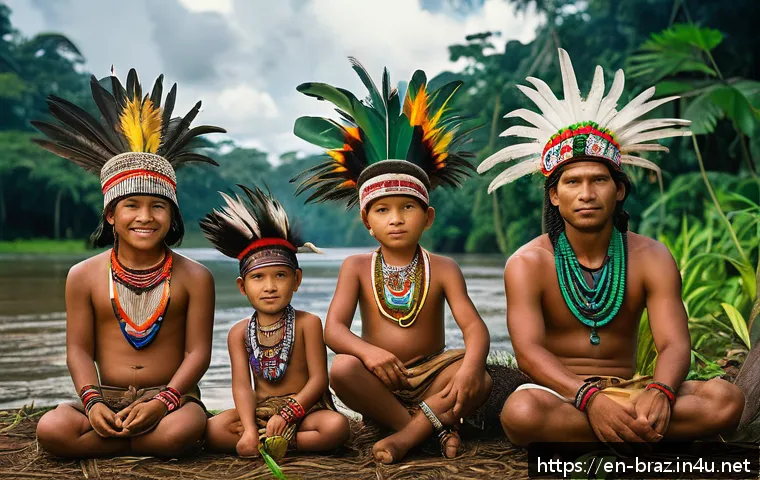
Brazil’s linguistic landscape is far more vibrant and complex than many realize. While Portuguese is the official language, the country is a rich tapestry of indigenous dialects, immigrant languages, and unique regional expressions.
Recent cultural shifts and digital connectivity have sparked renewed interest in exploring this diversity. If you’ve ever wondered how Brazil’s language scene shapes its identity and daily life, you’re in for some fascinating insights.
Let’s dive into the surprising facts that make Brazil’s linguistic mosaic truly unforgettable.
Unveiling the Layers of Brazil’s Language Diversity
From Portuguese Roots to Indigenous Branches
Brazil’s official language, Portuguese, often overshadows the rich variety of indigenous tongues that have survived centuries of change. These native languages, such as Guarani and Tupi, are not just relics of the past but living expressions that shape local identities, especially in the Amazon and other remote regions.
What’s fascinating is how some indigenous words have blended seamlessly into everyday Brazilian Portuguese, enriching it with unique sounds and meanings.
When you visit smaller communities, you’ll hear these languages alive and thriving, reflecting a cultural resilience that many don’t realize is still very much present.
Immigrant Voices Weaving Into the Fabric
Beyond indigenous languages, Brazil’s linguistic landscape is peppered with the echoes of immigrant communities. Italian, German, Japanese, and even Arabic have left their mark, particularly in the southern states.
For example, in places like Blumenau and São Paulo, you might overhear German dialects or Japanese phrases woven into conversations, especially among older generations.
This blend creates a multicultural vibe that you won’t find just anywhere. It’s like walking through a living museum where language reveals the layers of migration history and cultural exchange.
Regional Slangs and Dialects That Color Daily Life
Brazil’s vastness means that Portuguese itself isn’t uniform—regional variations paint a vivid linguistic picture. From the carioca slang of Rio de Janeiro to the gaucho expressions of Rio Grande do Sul, these differences are more than just accents; they represent distinct ways of thinking and relating to the world.
I remember chatting with locals in Salvador and being struck by the melodic rhythm and unique vocabulary that felt like music to my ears. These regional flavors not only spice up conversations but also reinforce a sense of belonging and pride among communities.
How Digital Culture is Revitalizing Brazil’s Language Scene
Social Media as a Language Playground
The rise of digital platforms has opened new avenues for Brazilians to explore and celebrate their linguistic diversity. On apps like TikTok and Instagram, creators play with regional slang, indigenous words, and immigrant languages, making these forms accessible to younger audiences.
It’s a fascinating shift because it moves language from the margins into mainstream culture. Watching viral videos where people humorously switch between accents or revive forgotten dialects is a reminder of how dynamic Brazil’s language scene really is.
Online Communities Fueling Language Preservation
What’s even more encouraging is the role of online forums and groups dedicated to preserving endangered indigenous languages. These digital spaces allow speakers scattered across the country or even the globe to connect, share resources, and teach younger generations.
From my perspective, seeing this grassroots effort online is heartening—it means technology isn’t just erasing old ways but can be a powerful tool to keep them alive.
Language Learning Apps Embracing Brazil’s Diversity
I’ve also noticed a growing trend in language learning apps that go beyond standard Portuguese lessons. Some now include modules on indigenous languages or regional dialects, catering to curious learners worldwide.
This approach broadens understanding and appreciation of Brazil’s complexity and encourages cultural respect. It’s a win-win because learners gain unique insights, and these languages receive much-needed visibility.
Brazilian Portuguese: More Than Just a Language
The Role of Music and Media
Brazilian Portuguese is inseparable from the country’s vibrant cultural expressions, especially music and television. Genres like samba, bossa nova, and funk carioca don’t just entertain—they embed local expressions and slang into the national consciousness.
When you listen to a song or watch a popular telenovela, you’re also absorbing linguistic nuances that textbooks rarely capture. I’ve found that these cultural forms offer a more authentic and enjoyable way to grasp the language’s spirit and flexibility.
Everyday Expressions with Deep Cultural Meaning
Brazilian Portuguese is packed with idioms and expressions that reveal how people view life and relationships. For instance, saying “jeitinho brasileiro” refers to a uniquely Brazilian way of finding creative solutions to problems, often bending rules with charm and wit.
This phrase embodies a cultural mindset that’s hard to translate but essential to understanding social dynamics. Using these expressions in conversation instantly creates a sense of connection and belonging.
Language and Identity Intertwined
For many Brazilians, language is a core part of their identity, linking them to their roots, family, and community. Whether it’s the pride in speaking a regional dialect or the effort to preserve indigenous languages, these linguistic choices carry emotional weight.
From what I’ve seen, language debates in Brazil are not just academic—they’re deeply personal and political, reflecting ongoing discussions about history, culture, and inclusion.
Mapping Brazil’s Linguistic Diversity: A Snapshot
| Language Group | Regions Predominantly Spoken | Number of Speakers (Approx.) | Key Features |
|---|---|---|---|
| Portuguese | Nationwide | ~210 million | Official language, diverse accents and dialects |
| Guarani | Northwest Brazil, near Paraguay border | ~50,000 | Indigenous, widely spoken in some communities |
| Tupi-Guarani Family | Amazon and Coastal Regions | Varies by dialect | Rich oral traditions, influence on Brazilian Portuguese |
| German Dialects (e.g., Hunsrückisch) | Southern states like Rio Grande do Sul | ~2 million | Immigrant language, preserved in rural areas |
| Japanese | São Paulo, Paraná | ~1.5 million | Immigrant language, cultural centers maintain use |
The Impact of Language on Social Interaction and Business
Language and Regional Business Practices
In Brazil, language nuances often influence business culture and communication styles. For example, in the south, where German heritage is strong, meetings might be more formal and punctual, while in the northeast, a relaxed and warm conversational tone prevails.
Understanding these subtleties can make or break negotiations and partnerships. From my experience working with Brazilian colleagues, tuning into these linguistic cues is crucial for building trust and rapport.
Language Accessibility and Inclusion Efforts
Brazil has been making strides toward language inclusion, especially for indigenous populations and immigrant communities. Government programs and NGOs focus on bilingual education and translation services to bridge gaps in access to services and information.
While challenges remain, these efforts highlight a growing recognition that linguistic diversity is not a barrier but a strength. It’s inspiring to witness communities reclaiming their languages as part of social empowerment.
The Role of Language in Tourism
Tourism in Brazil thrives partly because of the linguistic mosaic. Visitors often find it charming and enriching to experience local dialects, indigenous greetings, or immigrant culinary terms firsthand.
This diversity enhances cultural tourism and creates more authentic connections between visitors and locals. Personally, I’ve seen how a simple effort to learn regional phrases opens doors and fosters goodwill far beyond the usual tourist interactions.
Educational Trends Shaping Brazil’s Language Future
Integrating Indigenous Languages in Schools
Some Brazilian states have started incorporating indigenous languages into school curricula, aiming to revitalize these tongues and strengthen cultural heritage.
This approach goes beyond preservation—it fosters pride and intercultural understanding among students. I recall reading about classrooms where children learn their ancestors’ language alongside Portuguese, a practice that builds bridges between generations.
Challenges in Language Education
Despite progress, there are hurdles such as limited resources, lack of trained teachers, and regional disparities. Urban centers tend to have better access to language education programs, while rural and indigenous areas struggle.
From my conversations with educators, it’s clear that addressing these gaps is essential for equitable development and cultural continuity.
Language as a Tool for Social Mobility
Proficiency in Portuguese remains a key factor for social and economic advancement in Brazil. However, bilingualism or multilingualism is increasingly valued, especially in globalized sectors like tourism, technology, and international trade.
I’ve noticed a growing interest among young Brazilians to learn foreign languages while maintaining their mother tongues, which reflects a pragmatic and culturally rich approach to their linguistic future.
Hidden Language Gems: Surprising Facts You Didn’t Know
The Secret Life of Brazilian Sign Language
Brazilian Sign Language (Libras) is officially recognized and actively used by the deaf community. It’s a fully developed language with its own grammar and syntax, distinct from Portuguese.
What many don’t realize is how vibrant the deaf culture is and how Libras contributes to Brazil’s linguistic diversity. Watching interpreters at public events or TV programs made me appreciate the inclusivity efforts underway.
Expressions That Cross Language Boundaries
Brazilian Portuguese has borrowed words from indigenous languages, African dialects, and immigrant tongues, creating expressions that are uniquely Brazilian yet universal in spirit.
Words like “caipirinha” or “samba” have traveled the world, carrying stories and cultural identity with them. These terms exemplify how language can be a bridge between Brazil and the global community.
The Role of Humor in Language Play
Brazilians love wordplay, puns, and playful language twists, which show up in everything from everyday banter to advertising slogans. This linguistic creativity reflects a joyful and adaptive spirit.
I’ve often found myself laughing along with locals who effortlessly twist meanings or invent new phrases, making language a source of connection and entertainment.
Language and Identity: The Heartbeat of Brazilian Culture
Why Language Matters Beyond Words
Language in Brazil is more than just communication; it’s a vessel for memory, tradition, and collective identity. Whether it’s a grandmother telling stories in an indigenous dialect or a young person using urban slang, each form carries emotional depth and cultural significance.
In my travels, I’ve seen how language preservation efforts are tied deeply to community pride and resilience.
Bridging Generations Through Language
Many families in Brazil juggle multiple languages or dialects across generations. This dynamic can sometimes create challenges but often enriches relationships.
For instance, grandparents speaking an indigenous language pass down wisdom and values that younger generations carry in their hearts, even if they primarily speak Portuguese.
This linguistic bridge is a powerful symbol of continuity.
Looking Ahead: Language as a Living Legacy
Brazil’s linguistic diversity is not static; it evolves with each generation. The interplay of tradition and innovation, local and global influences, shapes a living legacy that’s both complex and inspiring.
From my perspective, embracing this diversity openly and creatively is key to Brazil’s cultural vitality and global presence in the years to come.
Closing Thoughts
Brazil’s linguistic landscape is a vibrant tapestry woven from indigenous roots, immigrant influences, and regional nuances. This diversity enriches not only communication but also cultural identity and social connection. Embracing and preserving these languages is essential for honoring Brazil’s heritage and fostering unity in its evolving society. As language continues to adapt, it remains a powerful symbol of Brazil’s resilience and creativity.
Useful Information to Keep in Mind
1. Brazil’s official language is Portuguese, but numerous indigenous and immigrant languages coexist, reflecting the country’s multicultural heritage.
2. Digital platforms and language learning apps are playing a key role in preserving and popularizing lesser-known languages and dialects.
3. Regional slang and expressions highlight unique cultural perspectives and foster strong community bonds across Brazil’s vast territory.
4. Understanding language variations is crucial for effective business communication and social interaction in different parts of the country.
5. Educational initiatives are gradually integrating indigenous languages into schools, promoting cultural pride and intergenerational connection.
Key Takeaways
Brazil’s language diversity is much more than a communication tool; it is a living embodiment of its history, culture, and identity. This diversity influences daily life, business practices, and social inclusion efforts across the nation. Technology and education are increasingly vital in safeguarding endangered languages and promoting multilingualism. Recognizing and valuing this linguistic richness not only strengthens community ties but also enhances Brazil’s global cultural presence for future generations.
Frequently Asked Questions (FAQ) 📖
Q: Why is Portuguese the official language of Brazil despite its linguistic diversity?
A: Portuguese became Brazil’s official language due to the country’s colonial history under Portugal. Even though Brazil is home to hundreds of indigenous languages and various immigrant tongues, Portuguese was established as the unifying language for administration, education, and media.
This has helped create a shared cultural identity while still allowing regional dialects and minority languages to thrive in local communities.
Q: How do indigenous and immigrant languages influence Brazil’s culture today?
A: Indigenous and immigrant languages contribute deeply to Brazil’s cultural richness. For example, many indigenous words have been absorbed into everyday Portuguese, especially names of plants, animals, and foods.
Immigrant languages like Italian, German, and Japanese have also shaped local customs, cuisine, and festivals in regions where those communities settled.
Experiencing Brazil’s language diversity firsthand reveals a vibrant blend of traditions that continue to evolve.
Q: Has digital connectivity affected the use and preservation of Brazil’s regional languages?
A: Absolutely. Increased internet access and social media platforms have sparked renewed interest in regional and indigenous languages. Communities are now using digital tools to document, teach, and promote their languages to younger generations.
This digital revival not only helps preserve these languages but also raises awareness globally about Brazil’s linguistic heritage, making the conversation around language diversity more visible and celebrated than ever before.