In recent years, Brazil’s diverse ecosystems have faced unprecedented challenges, from deforestation to climate change, putting countless species at risk.
Yet, amid these threats, a passionate group of wildlife warriors is stepping up to protect the country’s endangered animals. Their innovative efforts and deep commitment are not only preserving fragile habitats but also inspiring global conservation strategies.
If you’re curious about how these heroes are rewriting the future for Brazil’s wildlife, stay tuned—this story reveals hope and resilience in the face of adversity.
Let’s dive into their incredible journey and discover what it means for the planet’s biodiversity.
Innovative Approaches to Habitat Restoration
Reforestation Efforts with Native Species
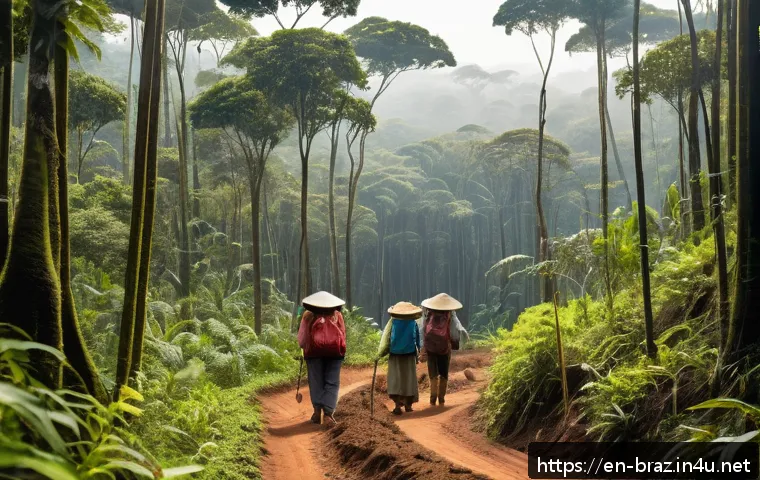
One of the most exciting developments I’ve seen in Brazil’s conservation scene is the use of native tree species for reforestation projects. Unlike generic tree planting campaigns, these efforts focus on restoring the original biodiversity and structure of the ecosystems.
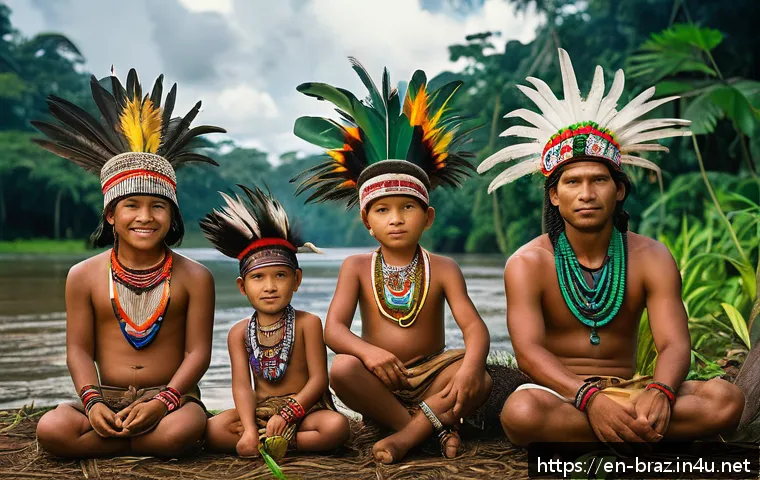
Local organizations collaborate with indigenous communities, blending traditional knowledge with scientific research to select the right species for each area.
This targeted approach not only accelerates the recovery of wildlife habitats but also creates natural corridors that allow animals to move safely between fragmented forests.
From my conversations with field workers, it’s clear that seeing seedlings grow into thriving trees is incredibly rewarding and gives hope for long-term ecological balance.
Technology-Driven Monitoring and Data Collection
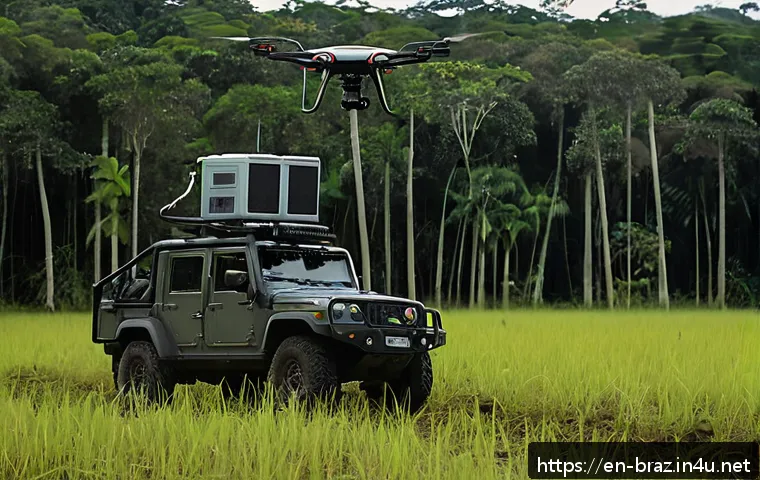
What really blew me away is how conservationists are harnessing technology to protect endangered animals. Drones equipped with infrared cameras fly over vast tracts of forest, capturing images that reveal illegal logging activities or signs of animal distress.
In addition, GPS collars on jaguars and tapirs provide detailed movement data, helping researchers understand how these creatures use their habitats. This real-time monitoring enables rapid responses to threats and informs more effective management plans.
From my experience attending one of these drone surveys, the precision and speed of information gathering have truly transformed conservation strategies in ways that were unimaginable a decade ago.
Community-Led Conservation Initiatives
What stands out most to me is how local communities have become champions of wildlife protection. Instead of imposing top-down restrictions, many projects empower residents by providing education, job opportunities, and incentives tied to sustainable practices.
For example, eco-tourism ventures offer a source of income while fostering pride in the local environment. When people see direct benefits from protecting their natural heritage, they become its fiercest defenders.
I’ve met several community leaders who shared stories of turning poachers into park rangers—proof that social change is just as vital as environmental efforts.
Protecting Iconic and Lesser-Known Species
Conservation of the Amazon’s Big Cats
The jaguar, Brazil’s iconic big cat, faces threats from habitat loss and illegal hunting. Conservation groups have launched specialized programs to safeguard these majestic predators by securing large protected areas and promoting coexistence with local farmers.
I recall visiting a reserve where jaguars were tracked using camera traps; the excitement of spotting these elusive cats in their natural environment was palpable.
Efforts also include educating communities about the ecological role of jaguars, dispelling myths, and reducing human-wildlife conflicts, which is essential for long-term survival.
Saving Amphibians from Extinction
Amphibians in Brazil’s rainforests are among the most vulnerable to environmental changes, yet they often receive less attention. Dedicated herpetologists work tirelessly to monitor frog populations, identify disease outbreaks like chytridiomycosis, and breed endangered species in captivity for reintroduction.
I found their passion contagious when I joined a night expedition searching for rare frogs—the experience revealed how delicate and vital these creatures are to ecosystem health.
Protecting amphibians is a critical piece of the biodiversity puzzle that keeps forests resilient.
Rehabilitation of Marine Wildlife Along the Coast
Brazil’s vast coastline hosts endangered marine animals such as sea turtles and manatees, which face challenges from pollution, fishing nets, and habitat degradation.
Rescue centers and rehabilitation facilities have ramped up their efforts to treat injured animals and release them back into the wild. I was fortunate to volunteer at one such center, where witnessing the slow recovery of a rescued sea turtle was deeply moving.
Beyond treatment, these centers also engage in public outreach, promoting responsible tourism and fishing practices to minimize future harm.
Strengthening Legal Frameworks and Enforcement
Enhancing Anti-Poaching Measures
A crucial part of wildlife protection is cracking down on poaching, which still threatens many species despite existing laws. Brazil has increased funding for environmental police units and developed community-based surveillance networks.
These patrols often work in tough, remote conditions, using advanced communication tools to coordinate and respond swiftly. I’ve heard firsthand accounts from rangers who risk their lives to protect animals, underscoring the need for stronger support and recognition of their work.
Policy Reforms and International Collaboration
Legal protection for endangered species has also advanced through policy reforms that align with international conservation agreements. Brazil participates in global networks that share data, expertise, and funding to tackle cross-border issues like wildlife trafficking.
These collaborations have led to more comprehensive strategies and better resource allocation. From attending a recent conservation conference, I observed how knowledge exchange between countries inspires innovative solutions that benefit biodiversity on a global scale.
Environmental Education and Advocacy
Changing attitudes through education is a powerful tool in strengthening conservation laws. Schools, NGOs, and media campaigns work to raise awareness about the importance of wildlife and the consequences of habitat destruction.
I’ve seen how children’s enthusiasm for animals can turn into lifelong commitment when nurtured properly. Public support generated by these efforts often translates into pressure on policymakers to enact and enforce stronger protections.
Challenges and Opportunities in Funding Conservation
Balancing Government and Private Sector Contributions
Securing sustainable funding remains one of the biggest hurdles in Brazil’s conservation efforts. While government budgets can fluctuate, private foundations and corporate social responsibility programs have stepped in to fill gaps.
I’ve noticed that partnerships between NGOs and businesses often lead to creative projects that combine conservation with community development, making investments more attractive and impactful.
Ecotourism as a Revenue Stream
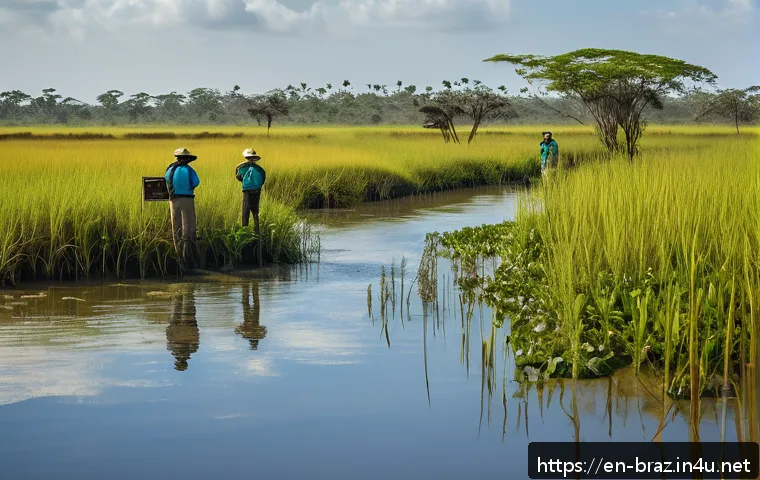
Ecotourism has emerged as a double-edged sword: it provides much-needed financial support but also risks disturbing fragile habitats if unmanaged. Successful initiatives emphasize low-impact activities guided by local experts, ensuring that visitors leave with a deeper understanding and respect for the environment.
When I joined an eco-tour in the Pantanal, the balance between enjoyment and conservation was evident, demonstrating how tourism can be a force for good when done thoughtfully.
Innovative Fundraising and Crowdfunding Campaigns
Digital platforms have opened new avenues for raising funds directly from global supporters. Crowdfunding campaigns often tell compelling stories of individual animals or specific projects, creating emotional connections that encourage donations.
I contributed to a campaign for rescuing orphaned sloths and was amazed by how quickly the community rallied around the cause. This democratization of funding empowers smaller organizations and increases transparency.
Measuring Success and Adapting Strategies
Using Scientific Metrics to Track Progress
It’s one thing to have passionate people and good intentions, but measuring actual conservation outcomes is crucial. Brazil’s programs increasingly rely on scientific indicators such as species population trends, habitat quality assessments, and genetic diversity studies.
These metrics help identify what’s working and where adjustments are needed. I’ve reviewed several reports where data-driven decisions led to expanded protected zones or changes in anti-poaching tactics, showing that evidence-based management is key.
Community Feedback and Inclusive Decision-Making
Involving local stakeholders in evaluating conservation efforts ensures that initiatives are culturally appropriate and sustainable. Community meetings and participatory workshops provide valuable insights and foster ownership of projects.
I was impressed by one case where indigenous voices shaped the design of a wildlife corridor, resulting in higher acceptance and better outcomes. This inclusive approach builds trust and strengthens the social fabric that supports environmental goals.
Adapting to Climate Change Impacts
The unpredictable effects of climate change add complexity to conservation planning. Shifts in rainfall patterns, temperature, and extreme weather events require flexible strategies that can respond to emerging challenges.
Conservationists in Brazil are experimenting with assisted migration, habitat restoration techniques that enhance ecosystem resilience, and creating buffer zones.
Witnessing their adaptive mindset gave me confidence that even in a changing world, proactive measures can safeguard biodiversity.
| Conservation Strategy | Key Activities | Benefits | Challenges |
|---|---|---|---|
| Reforestation with Native Species | Planting indigenous trees, creating wildlife corridors | Restores biodiversity, supports animal movement | Requires long-term commitment, seedling survival rates vary |
| Technology-Driven Monitoring | Drones, GPS tracking, camera traps | Real-time data, rapid threat detection | High initial costs, technical expertise needed |
| Community-Led Initiatives | Education, eco-tourism, local employment | Empowers residents, reduces poaching | Balancing economic needs with conservation |
| Legal Enforcement | Environmental police, policy reforms | Deters illegal activities, strengthens protections | Limited resources, enforcement in remote areas |
| Funding Approaches | Government grants, private partnerships, crowdfunding | Diverse revenue streams, increased project scope | Dependence on external funding, fluctuating support |
| Adaptive Management | Scientific monitoring, community feedback, climate adaptation | Improved effectiveness, resilience to change | Complex coordination, requires ongoing evaluation |
Building Global Awareness and Support
Leveraging Social Media for Conservation Campaigns
Social media has become a vital platform for raising awareness about Brazil’s wildlife crises and conservation successes. Campaigns featuring compelling visuals, personal stories, and live updates engage audiences worldwide.
I’ve noticed how viral posts can generate donations, volunteer sign-ups, and political pressure faster than traditional methods. Influencers and celebrities joining these efforts amplify the message, making it accessible beyond scientific circles.
International Volunteer Programs
Many conservation groups offer opportunities for international volunteers to contribute hands-on, whether through habitat restoration, wildlife monitoring, or community education.
Participating in these programs allows people to connect deeply with the environment and local cultures. I’ve met several volunteers who described their experiences as life-changing, inspiring them to become lifelong advocates for biodiversity.
Collaborative Research and Knowledge Sharing
Global networks of scientists, NGOs, and policymakers work together to exchange findings and best practices. Brazil’s rich biodiversity offers valuable insights applicable to other tropical regions facing similar threats.
Conferences, joint projects, and open-access databases foster innovation and accelerate progress. From what I’ve observed, this spirit of collaboration is vital for addressing complex conservation challenges that transcend borders.
In Conclusion
Brazil’s habitat restoration and wildlife conservation efforts showcase a powerful blend of tradition, technology, and community involvement. These innovative approaches provide hope for preserving biodiversity in the face of growing challenges. By continuing to adapt and collaborate, there is a real chance to secure a sustainable future for both nature and people. Witnessing these projects firsthand reveals the passion and dedication driving this vital work.
Useful Information to Know
1. Native species reforestation not only restores forests but also strengthens wildlife corridors, essential for animal movement and ecosystem health.
2. Technology such as drones and GPS tracking dramatically improves monitoring capabilities, enabling quicker responses to threats like poaching and habitat loss.
3. Empowering local communities through education and eco-tourism creates sustainable incentives for conservation while improving livelihoods.
4. Stronger legal frameworks combined with effective enforcement are crucial to deterring illegal activities and protecting endangered species.
5. Diversified funding streams, including private partnerships and crowdfunding, help maintain long-term conservation projects despite fluctuating government support.
Key Takeaways
Successful conservation relies on integrating scientific data with local knowledge to guide adaptive management. Community engagement is essential for sustainable outcomes, as people become invested in protecting their environment when they see direct benefits. Technology enhances the precision and speed of monitoring, but must be balanced with on-the-ground efforts. Funding remains a critical challenge, requiring innovative approaches to ensure continuity. Lastly, global collaboration and awareness amplify impact, highlighting that wildlife preservation is a shared responsibility across borders.
Frequently Asked Questions (FAQ) 📖
Q: What are the main threats facing Brazil’s wildlife today?
A: Brazil’s wildlife is primarily endangered by deforestation, habitat loss, illegal hunting, and climate change. The Amazon rainforest, home to countless species, is shrinking rapidly due to logging and agriculture expansion.
This not only destroys animal habitats but also disrupts ecological balance. Additionally, rising temperatures and changing rainfall patterns affect species’ survival and migration.
These combined pressures create a tough environment for many animals to thrive.
Q: How are local conservationists making a difference in protecting endangered species?
A: Local conservationists in Brazil are employing innovative approaches like community-based monitoring, reforestation projects, and sustainable land management.
Many work closely with indigenous groups, whose traditional knowledge proves invaluable in safeguarding habitats. Some initiatives use technology such as drones and camera traps to track wildlife and detect illegal activities.
From my experience reading firsthand accounts, these dedicated individuals often risk personal safety, showing deep passion and creativity that bring real hope to fragile ecosystems.
Q: Why should global audiences care about Brazil’s conservation efforts?
A: Brazil’s ecosystems, especially the Amazon, are vital to the planet’s health—they regulate climate, store massive amounts of carbon, and support biodiversity that we all depend on.
When Brazil’s wildlife suffers, it affects global climate stability and the survival of species worldwide. Supporting and learning from Brazil’s conservation heroes can inspire similar actions elsewhere, creating a ripple effect of positive change.
Personally, I find it inspiring how local efforts can scale up to impact global environmental policies and awareness, reminding us that protecting nature is a shared responsibility.