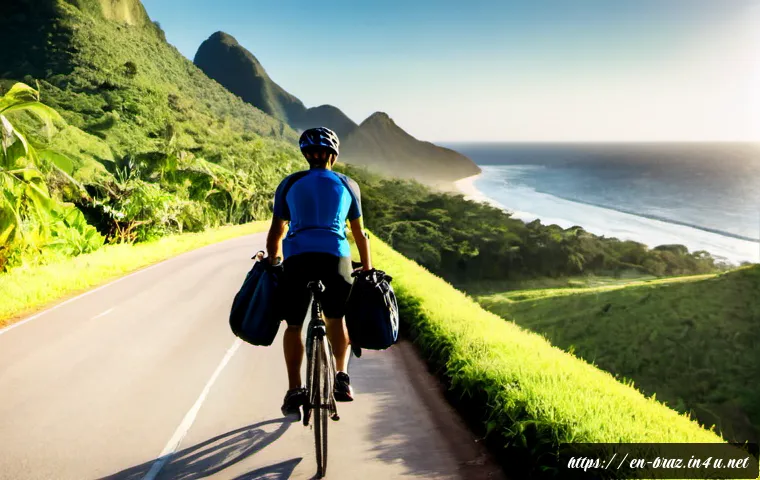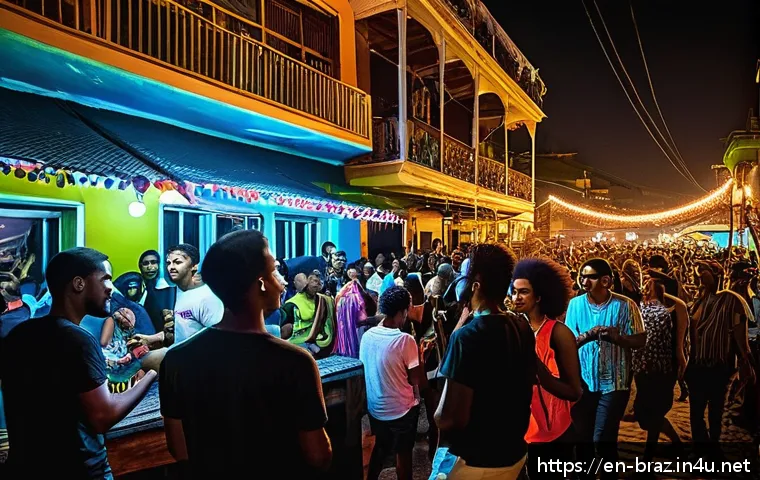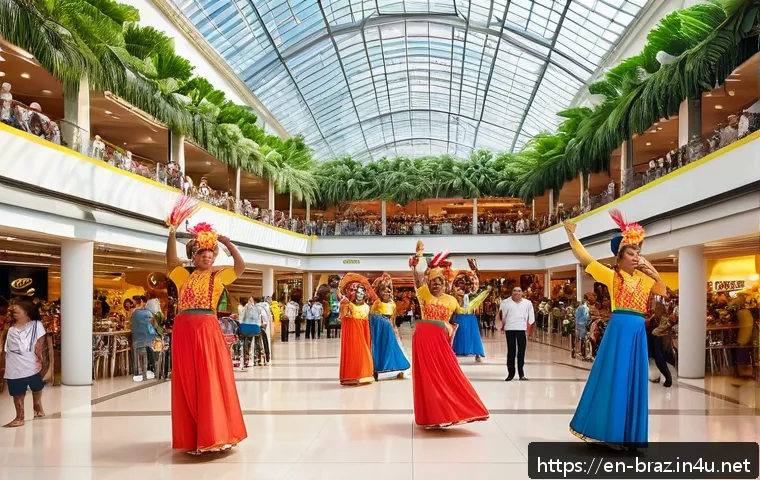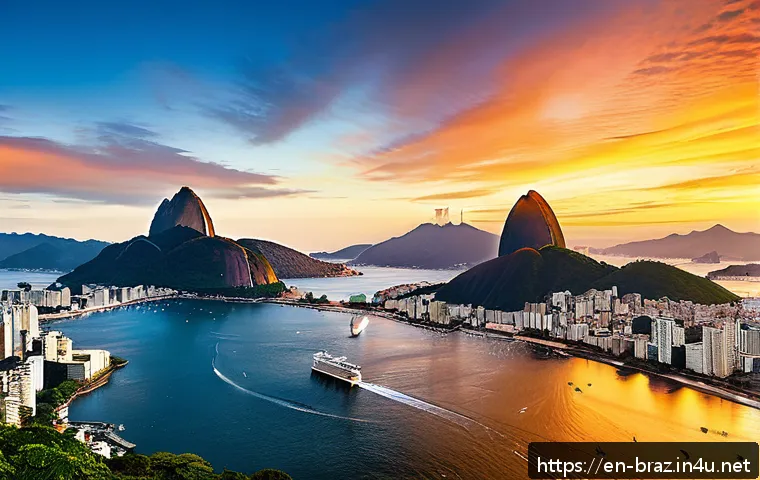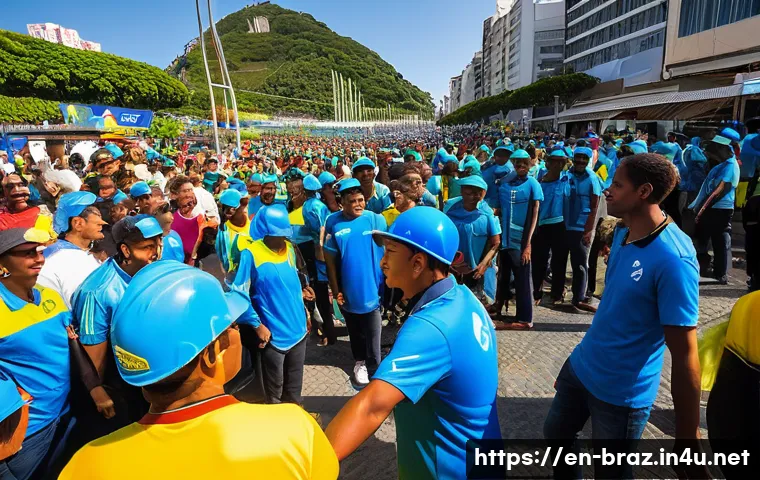
Hosting the Olympics is a monumental event for any country, and Brazil’s opportunity to welcome the world stage brought excitement and challenges alike.
From the vibrant culture of Rio de Janeiro to the massive infrastructure projects, the journey to the Games was as dynamic as the competitions themselves.
The event promised to boost tourism, create jobs, and showcase Brazil’s growing global influence. However, concerns about costs, environmental impact, and social issues sparked widespread debate.
Whether you’re a sports fan or just curious about global events, understanding Brazil’s Olympic story offers valuable insights. Let’s dive deeper and explore the fascinating details behind this historic occasion!
The Economic Ripple Effects of Hosting
Job Creation and Local Business Boost
Hosting a massive event like the Olympics naturally sparks a surge in employment opportunities, at least temporarily. Construction workers, hospitality staff, security personnel, and countless other roles see a spike in demand.
From my observations, the influx of jobs helped many families in Rio gain additional income during the preparation phase. Local businesses, especially restaurants, shops, and transportation services, benefited from the increased foot traffic.
However, some of these gains were short-lived, fading once the Games wrapped up, leaving questions about the sustainability of such economic boosts.
Tourism Surge: A Double-Edged Sword
Olympic Games typically attract tourists from around the globe, eager to experience the host city’s unique culture and atmosphere. Rio was no exception.
The city’s iconic beaches, samba rhythms, and vibrant street life drew visitors beyond just the sports venues. Yet, this sudden tourist surge strained public services and infrastructure.
Hotels were booked solid, and public transport struggled under pressure. While the short-term economic injection was undeniable, the long-term return on investment in tourism infrastructure remains debated among economists and local stakeholders.
Balancing Costs and Returns
The financial commitment required to host the Olympics is staggering, and Rio was no different. Billions of dollars went into building stadiums, upgrading airports, and improving urban infrastructure.
My personal take is that while these investments modernized parts of the city, they also contributed to ballooning public debt. The challenge lies in balancing the pride and visibility that come with hosting against the fiscal responsibility to taxpayers.
It’s a tightrope walk between legacy projects that benefit the public long after the Games and white elephants that drain resources.
Transformations in Urban Infrastructure
Transportation Overhaul
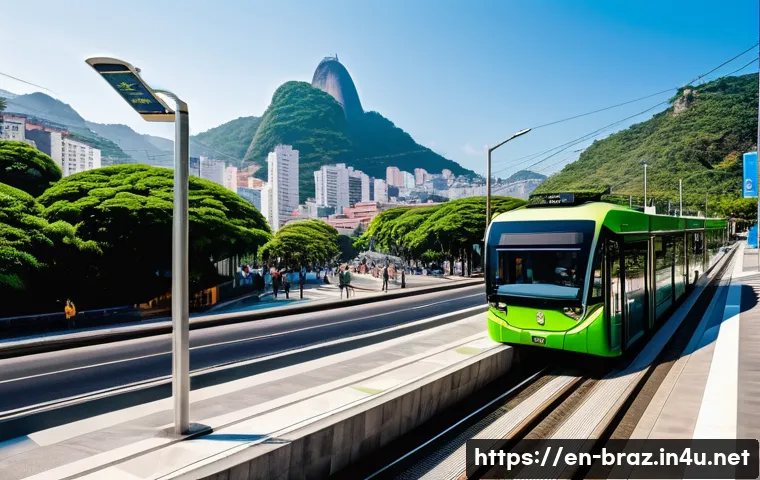
One of the most visible legacies of the Olympics was the overhaul of Rio’s transport network. New bus rapid transit (BRT) lines and metro expansions were hurriedly completed to connect Olympic venues and tourist hotspots.
I noticed how these upgrades, while chaotic during construction, have improved daily commutes for many residents. However, some critics argue that the focus was too narrow, prioritizing Olympic needs over broader, long-term urban planning.
The question remains whether these improvements will truly integrate into the city’s future growth.
Stadiums and Sporting Venues
The construction of new stadiums was both awe-inspiring and controversial. On one hand, venues like the Maracanã Stadium were refurbished to world-class standards, creating spaces capable of hosting global audiences.
On the other hand, some newly built arenas faced underuse after the Games, sparking debates about their maintenance costs and community value. Personally, I find it fascinating how these architectural marvels symbolize national pride but also highlight the complexities of post-event urban utility.
Environmental Considerations in Construction
Building Olympic venues in a city like Rio, known for its natural beauty, posed significant environmental challenges. Efforts were made to incorporate sustainable practices such as water recycling and green spaces, but the massive scale of construction inevitably led to ecological disruption.
From what I gathered, the balance between development and conservation was a constant negotiation. Activists and residents voiced concerns about deforestation and pollution, reminding us that the environmental footprint of such events can be heavy.
Social Dynamics and Community Impact
Displacement and Housing Issues
One of the most sensitive aspects of Rio’s Olympic preparation was the displacement of low-income communities. Entire neighborhoods were cleared to make way for infrastructure projects, sparking protests and international attention.
I remember reading firsthand accounts from residents who felt marginalized and unheard throughout the process. While the government promised new housing solutions, the reality was often complicated by bureaucratic delays and insufficient support, highlighting the social costs behind the grandeur.
Security Measures and Public Safety
With so many international visitors, security was a top priority. The government deployed thousands of police officers and installed surveillance systems to prevent crime and terrorism.
From my perspective, while these measures were necessary, they sometimes created a tense atmosphere, especially in areas already struggling with crime.
The challenge was to strike a balance between safety and civil liberties, a dilemma faced by many host cities but especially poignant in Rio’s context.
Community Engagement and Legacy Programs
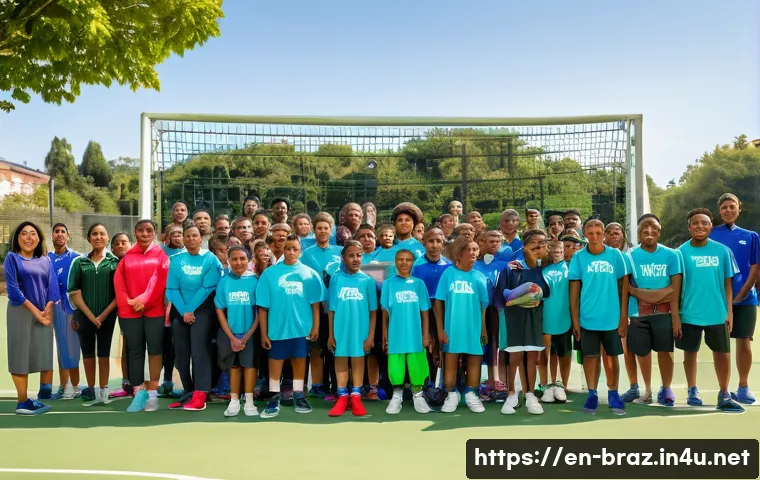
Efforts to involve local communities in the Olympic experience were mixed. Some initiatives focused on youth sports programs and cultural exchanges aimed at fostering long-term benefits.
I found these programs heartening as they offered tangible ways for residents to connect with the global event beyond just spectatorship. However, the scale and reach of such programs varied, and their sustainability post-Games remains a question that only time will answer.
Environmental Legacy and Sustainability Efforts
Green Technology Integration
The Rio Olympics incorporated several green technologies, such as solar panels and energy-efficient lighting in venues. These efforts were designed to reduce the carbon footprint of the Games, and I was impressed by how some venues operated almost self-sufficiently during the event.
Nonetheless, the overall environmental impact extended beyond energy consumption, encompassing waste management and water usage challenges that required ongoing attention.
Waste Management Challenges
Handling the enormous volume of waste generated by visitors, athletes, and media was a logistical headache. Recycling initiatives were put in place, but the effectiveness varied widely.
I spoke with local environmentalists who praised the awareness raised but lamented the lack of consistent infrastructure to maintain these efforts. Proper waste disposal remains a critical issue for mega-events, and Rio’s experience underscores the importance of planning for sustainability from the outset.
Preserving Natural Habitats
The proximity of Olympic venues to ecologically sensitive areas raised alarms about habitat disruption. Efforts to restore and protect green spaces were part of the legacy promises.
From what I observed, some restoration projects showed promise, but the scars of construction and urban expansion linger. Protecting biodiversity while promoting urban growth is a delicate balance, and Rio’s story highlights the ongoing need for responsible environmental stewardship.
Sporting Highlights and Global Attention
Memorable Moments on the Field
The Games delivered unforgettable athletic performances that captivated audiences worldwide. Brazil’s soccer matches, volleyball upsets, and gymnastics routines were among the highlights.
Personally, watching the passion of Brazilian fans in the stadiums added an electric atmosphere that transcended the sports themselves. These moments not only celebrated athletic excellence but also united people from diverse backgrounds in shared excitement.
Broadcast Reach and Media Coverage
Media coverage of the Olympics was extensive, with billions tuning in globally. The event’s broadcasting brought Brazil’s culture and challenges into living rooms worldwide.
I noticed how the narrative was often a mix of admiration for the athletes and scrutiny of the country’s social and political realities. This duality made the coverage richer and more complex, offering viewers more than just sports but a window into a nation’s story.
Inspiring Future Generations
The visibility of the Olympics inspired countless young people in Brazil and beyond to pursue sports and dream bigger. I met several aspiring athletes who cited the Games as a turning point in their motivation.
The power of such global events to spark ambition and pride is undeniable, and it’s one of the most enduring legacies that transcends the immediate economic or infrastructural impacts.
Financial Overview and Key Metrics
| Category | Estimated Cost (USD Billions) | Primary Benefit | Long-Term Concern |
|---|---|---|---|
| Infrastructure Development | 5.5 | Improved transport and venues | Maintenance costs and underutilization |
| Security | 1.0 | Enhanced safety measures | Public perception and civil liberty issues |
| Tourism Promotion | 0.8 | Increased international visitors | Strain on local services |
| Environmental Initiatives | 0.4 | Green technologies and restoration | Incomplete sustainability |
| Community Programs | 0.3 | Youth engagement and cultural projects | Program continuity |
Conclusion
Hosting a global event like the Olympics brings a complex mix of opportunities and challenges. While it can drive economic growth, urban transformation, and inspire communities, the lasting benefits depend heavily on thoughtful planning and execution. Reflecting on Rio’s experience, it’s clear that the true legacy lies in balancing ambition with sustainability and inclusivity for all residents.
Useful Information to Keep in Mind
1. Hosting major events creates temporary jobs but requires strategies for long-term employment stability.
2. Tourism spikes can boost local economies but also put pressure on infrastructure and services.
3. Significant investments in infrastructure must be weighed against ongoing maintenance costs and future use.
4. Environmental initiatives during large events need continuous commitment beyond the event itself.
5. Community engagement programs are vital to ensure that the benefits of hosting reach local residents meaningfully.
Key Takeaways
Major international events can accelerate urban development and global visibility but come with social, economic, and environmental complexities. Success depends on balancing immediate excitement with long-term planning that prioritizes community needs, fiscal responsibility, and environmental stewardship. Sustainable legacy projects and inclusive policies are essential to transform short-term gains into lasting benefits for the host city and its people.
Frequently Asked Questions (FAQ) 📖
Q: What were the biggest challenges Brazil faced while hosting the Olympics?
A: Hosting the Olympics in Brazil came with a unique set of challenges. One of the most significant hurdles was managing the massive infrastructure projects required to support the Games, such as building new sports venues and improving transportation systems.
Additionally, Brazil grappled with concerns over high costs that strained public budgets, as well as environmental issues related to construction and urban development.
Social challenges, including protests over displacement and inequality, also emerged, highlighting the complexity of balancing national pride with local community needs.
From my perspective, these obstacles made the event both a logistical feat and a learning experience for the country.
Q: How did hosting the Olympics impact Brazil’s economy and tourism?
A: Hosting the Olympics had a mixed economic impact on Brazil. On the positive side, it created thousands of temporary jobs in construction, hospitality, and event management, and it boosted tourism by attracting visitors from all over the world eager to experience Brazil’s vibrant culture and iconic landmarks.
However, the long-term economic benefits were less clear. Some venues struggled to find sustainable uses post-Games, leading to concerns about “white elephants.” Personally, I noticed that while there was a surge in international attention and short-term spending, the anticipated lasting economic boom didn’t fully materialize, partly due to the country’s broader economic challenges during that period.
Q: What legacy did the Rio Olympics leave for Brazil?
A: The legacy of the Rio Olympics is a blend of pride, lessons learned, and ongoing debates. Positively, the event showcased Brazil’s ability to host a global sporting event and brought significant improvements to urban infrastructure in Rio de Janeiro, such as upgraded public transportation and sports facilities.
It also inspired many young Brazilians to engage more in sports. On the flip side, some Olympic sites fell into disuse, and the social costs—including displacement and increased inequality in some areas—sparked criticism.
From what I’ve gathered, the Rio Games left Brazil with valuable experience but also highlighted the importance of planning for sustainable, inclusive development when hosting mega-events.