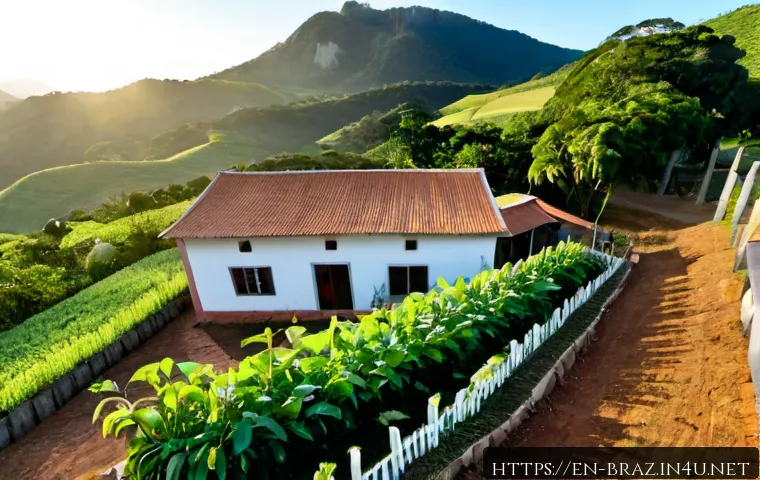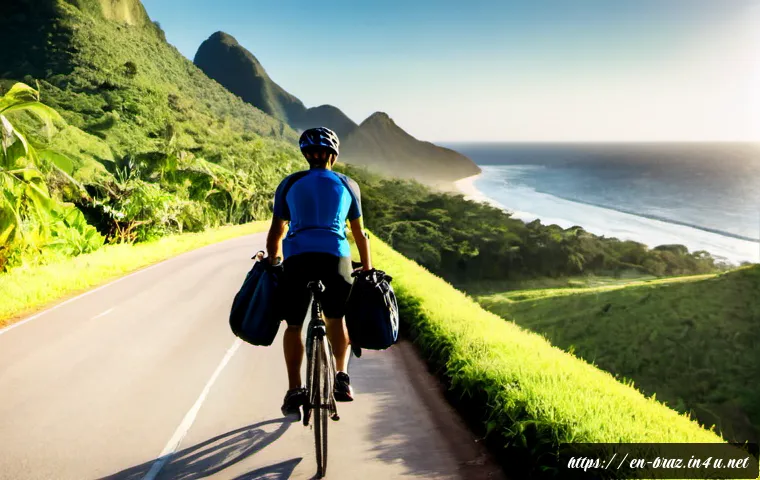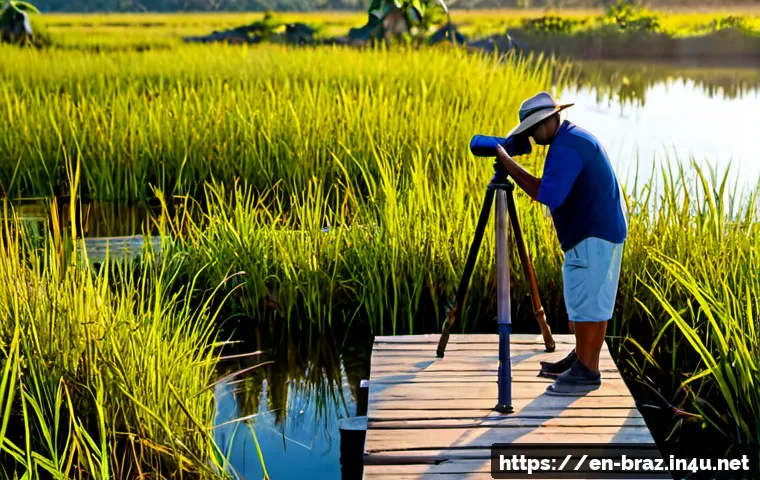
Wildlife safety in Brazil mostly comes down to three habits: keep your distance, use destination-appropriate insect protection, and avoid exploring unfamiliar natural areas alone.
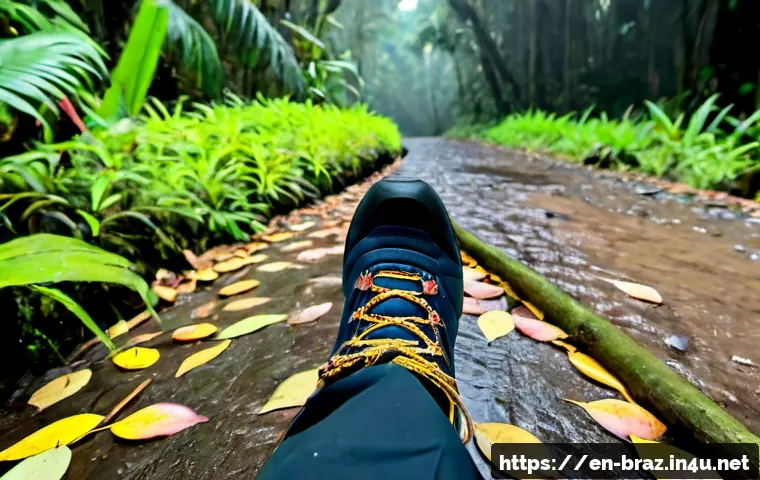
For rainforest, wetland, and remote rural trips, a qualified guide and a lodge with clear safety procedures can reduce avoidable mistakes. Brazil’s ecosystems range from cities and beaches to the Amazon, Pantanal, Atlantic Forest, and Cerrado, so the practical risks are not the same everywhere.
Most concerning encounters are preventable when travelers stay on marked trails, wear closed shoes, and do not touch or feed animals. This is also a sensible point to compare guided eco tours, nature-focused accommodation, and travel medical insurance for remote travel.
The goal is not to fear wildlife, but to make calm, informed choices before you arrive.
At a Glance
- Do not touch, feed, approach, or corner wildlife, including monkeys, bats, and animals that seem used to people.
- Use closed footwear, destination-appropriate mosquito protection, and reliable lighting when spending time outdoors or staying in nature-focused lodging.
- For remote or unfamiliar terrain, consider guided support and know how you would reach medical assessment after a serious bite, sting, scratch, or bite.
| Trip style | Typical exposure to plan for | Useful preparation | When a guide is worthwhile |
|---|---|---|---|
| City stay or resort | Generally less direct wildlife exposure; insects and urban animals can still be relevant | Insect protection and basic awareness around animals | Usually optional for standard sightseeing |
| Beach, island, or coastal trail | Outdoor insects, changing conditions, and potentially limited access away from developed areas | Insect protection, closed shoes for trails, and a return plan | Useful on unfamiliar or isolated routes |
| Rainforest lodge or rural rental | Greater chance of encountering small animals, insects, and wildlife near accommodation | Closed shoes, careful checks of belongings, and well-maintained lodging | Often valuable for first-time visitors |
| Pantanal or wetland excursion | Wildlife-rich terrain and navigation challenges in remote areas | Appropriate gear, insect planning, and an emergency plan | Strongly worth considering for unfamiliar visitors |
The Short Answer: How to Reduce Wildlife Risk in Brazil
The simplest rule is to behave as a visitor in every natural setting. Distance is your best protection: do not feed animals, try to hold them, or move closer for a photo. Stay on marked trails where available, follow local rules, and avoid treating wildlife as an attraction you can manage yourself.
Keep Your Distance and Never Feed, Touch, or Corner Animals
Bats, monkeys, and other mammals should not be touched or approached, even if they appear calm or familiar with people. Feeding changes animal behavior and can create an unsafe close-contact situation. A photo taken from a respectful distance is enough.
Use Closed Footwear, Insect Protection, and Well-Lit Paths After Dark
Closed shoes are a practical choice for trails, rural properties, and nature-focused stays. Check shoes, clothing, bedding, bags, and other stored items before using them, especially in cabins, campsites, and jungle lodges. Plan mosquito protection for your specific destination and season, and use good lighting rather than walking in poorly lit outdoor areas after dark.
Know When an Animal Encounter Needs Medical Help
After a suspected venomous bite, a serious sting, or any animal scratch or bite, seek prompt medical assessment. Do not rely on guesses about the animal or on a traveler’s own identification. Before remote travel, it is wise to understand how your lodge, guide, or tour provider would help arrange medical support.
Match Your Precautions to Your Destination and Activity
Cities and Resorts: Lower Wildlife Exposure, but Insects and Urban Animals Still Matter
Urban areas and conventional resorts usually involve less wildlife exposure than remote forests or wetlands. That does not eliminate the need for insect protection or sensible behavior around animals. Keep the same no-touch rule, especially when an animal is near a hotel, park, or outdoor dining area.
Beaches, Islands, and Coastal Trails: Outdoor Planning Matters
Brazil’s coastal areas vary widely. On trails or less-developed islands, think beyond wildlife alone: bring appropriate footwear, plan for insects, and avoid wandering into unfamiliar terrain late in the day. If your route is remote, check access and return options before you leave.
Rainforest, Wetlands, and Rural Stays: More Need for Guides, Gear, and Planning
Nature-rich regions such as rainforest, wetlands, and rural properties call for more deliberate choices. A guided wildlife tour can help visitors avoid navigation errors and reduce mistakes in wildlife identification. First-time visitors, families, and travelers who are unfamiliar with remote terrain may benefit most from a structured eco-tour rather than independent exploration.
Wildlife Risks Travelers Should Take Seriously
Snakes, Scorpions, Spiders, and Stinging Insects
Snakes, scorpions, spiders, and stinging insects may be encountered in some forested, rural, or poorly maintained places. The practical response is prevention: wear closed shoes, inspect items before using them, and do not attempt to identify, catch, or relocate an animal. Give it space and alert the property staff or guide if assistance is needed.
Mosquitoes and Bite Prevention for Outdoor Travel
Mosquitoes can be a significant outdoor concern in parts of Brazil. Choose insect protection based on the destination and season rather than assuming one approach suits the entire country. Current local conditions, seasonal disease risk, and outbreak information should be checked through official travel and health guidance close to departure.
Monkeys, Bats, and Other Mammals: Why Contact Is Never Worth the Photo
A close animal encounter can look harmless in a travel photo, but touching, feeding, or approaching mammals creates unnecessary risk. Keep children close, secure food, and resist any temptation to encourage an animal closer. Respectful viewing protects both travelers and wildlife.
Avoidable Mistakes at Lodges, Campsites, and on Trails
Leaving Shoes, Bags, Food, or Doors Unchecked
At a cabin, campsite, rural rental, or jungle lodge, make simple checks part of your routine. Look inside footwear and bags before use, keep food secured, and follow the property’s guidance about doors and outdoor spaces. These small habits can reduce unexpected contact with small animals.
Hiking After Dark Without Proper Lighting or Local Knowledge
Darkness makes routes harder to follow and wildlife harder to see. If you need to be outside after dark, use reliable lighting and remain on known paths. In a remote area, local knowledge can be more valuable than confidence.
Trying to Identify, Move, or Photograph Animals at Close Range
Do not turn an encounter into an identification project. Step back, keep others away, and contact a guide or accommodation staff when appropriate. A guide can also help distinguish responsible wildlife viewing from behavior that disrupts animals or puts visitors too close.
When a Guided Tour, Better Lodging, or Insurance Is Worth Paying For

Independent Exploration Versus a Guided Wildlife Excursion
Independent hiking may suit experienced travelers on familiar, marked routes. A guided eco tour is often the stronger choice when terrain is remote, the destination is new to you, or wildlife identification and navigation could affect safety. Ask whether the guide has relevant local experience and what emergency planning is in place.
Questions to Ask a Lodge or Tour Provider About Safety Procedures
Ask how the property manages wildlife around guest areas, whether paths are lit, and what guests should do if they find an animal near a room or cabin. For tours, ask about the route, group supervision, communications, first-aid preparation, and emergency arrangements. You should also verify current operating status, access restrictions, and credentials directly rather than assuming they are in place.
Travel Medical Insurance Features to Review for Remote Destinations
Travel medical insurance can be especially relevant when you will be far from major services. Review the policy wording for medical care, emergency assistance, remote-area limitations, exclusions, and evacuation-related provisions. Coverage limits and exact benefits vary, so read the current policy documents before purchase.
Choosing a Safer Wildlife Experience: Comparison and Final Checklist
Choose self-guided activities when routes are clear, conditions are familiar, and you can follow basic safety habits. Choose a local guide for unfamiliar trails, rural areas, wetlands, or rainforest settings where navigation and wildlife awareness matter more. For families and first-time rainforest visitors, prioritize accommodation with clear guest guidance, maintained paths, and a realistic emergency plan. Before booking, check tour credentials, ask how emergencies are handled, screen lodging for practical safety procedures, and review travel insurance coverage for your itinerary. For current terms, safety procedures, and coverage details, check the relevant provider’s official page before you book.
Best Fit for Self-Guided Travelers, Families, and First-Time Rainforest Visitors
Self-guided travelers should favor established routes and avoid improvising in remote terrain. Families benefit from supervised activities and accommodation that clearly explains outdoor safety expectations. First-time rainforest visitors may find a guided wildlife excursion more reassuring and more practical than navigating alone.
A Pre-Departure Packing and Planning Checklist
Pack closed shoes, destination-appropriate insect protection, and dependable lighting for outdoor stays. Check the expected conditions for your exact region and travel dates. Save relevant emergency contacts, confirm how your accommodation handles wildlife concerns, and understand the medical support options available for your route.
What to Do Immediately After a Bite, Sting, Scratch, or Suspected Exposure
Move away from the animal or area without trying to catch, handle, or identify it. Tell your guide, lodge staff, or travel companion what happened, and arrange prompt medical assessment after a suspected venomous bite, serious sting, scratch, or bite. If you have travel insurance, contact the assistance service according to your policy terms while seeking appropriate care.
Final Decision Summary
Keep these checks in mind before committing to a nature itinerary: choose the region and activity realistically; confirm whether a guide is appropriate; inspect accommodation safety practices; plan mosquito protection; and review medical insurance for remote travel. Do not judge a tour solely by wildlife-photo opportunities. Stronger choices are clear route planning, responsible distance from animals, and transparent emergency procedures.
Conclusion
Brazil offers very different outdoor environments, and that variety is part of its appeal. Wildlife safety does not require panic or constant worry. It requires distance, preparation, and sensible choices about trails, lodging, guides, and medical planning. A respectful approach lets travelers enjoy nature while reducing preventable risks.
Useful Information to Keep in Mind
Check locally. Animal activity, seasonal conditions, access rules, and available medical services can differ by location and change over time.
Use providers as information sources. A lodge or tour company should be able to explain its practical guest safety procedures without making unrealistic promises.
Protect wildlife too. Avoiding feeding and close contact is good for visitors and for the animals being observed.
Important Notes
This guide provides general travel-safety information, not medical or legal advice. It cannot predict the likelihood of seeing a particular animal at a specific park, trail, hotel, or city. Confirm current local guidance, tour credentials, accommodation conditions, insurance wording, and medical-service availability before traveling.
Frequently Asked Questions
Q1. Are wildlife encounters dangerous for tourists in Brazil?
A1. Risk varies greatly by region, activity, and behavior. Many encounters can be reduced by staying on marked trails, keeping distance, using insect protection, wearing closed shoes, and never touching or feeding animals.
Q2. Is it worth hiring a guide for rainforest or Pantanal wildlife tours in Brazil?
A2. A guide can be worthwhile for remote or unfamiliar areas, particularly for first-time visitors. Guided excursions can reduce navigation and wildlife-identification mistakes. Verify the provider’s current credentials, safety planning, and emergency procedures before booking.
Q3. What should travelers do after a snake bite, scorpion sting, or animal scratch in Brazil?
A3. Move away from the animal without trying to handle or identify it, inform a guide or accommodation staff member, and seek prompt medical assessment after a suspected venomous bite, serious sting, scratch, or bite.