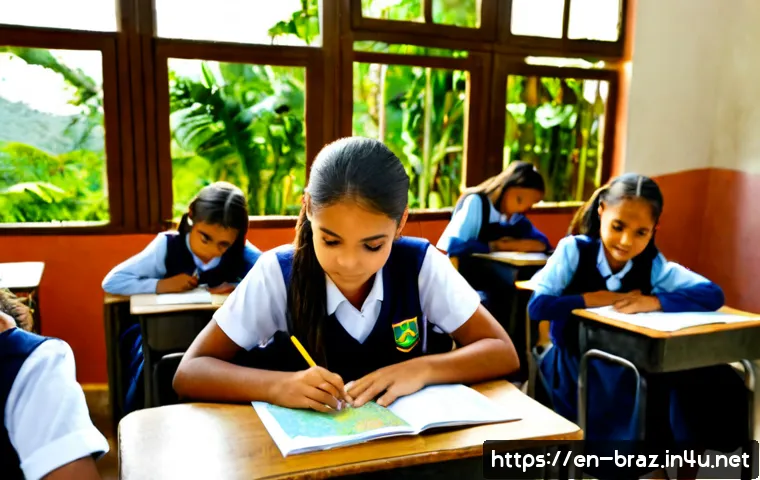
Brazil’s education system includes early childhood, basic education, and higher education pathways. Learn how public, private, bilingual, and international schools differ, what costs to plan for, and which questions families should ask before enrolling.

Choosing a school in Brazil depends mainly on language needs, curriculum goals, location, and the full cost of attendance. Public, private, bilingual, and international schools can suit different families, so there is no single “best” option.
A local family may prioritize Portuguese-language schooling and convenience, while a relocating family may need transition support and bilingual instruction.
Families planning university applications should also compare curriculum recognition and each institution’s admission expectations. The practical approach is to compare the school experience and the total budget before submitting an application.
Always confirm current admissions rules, language support, and fees directly with each school.
At a Glance
- Local Portuguese-language experience: Public or private schools may be worth comparing when a family wants daily integration into the local school environment.
- Relocating or multilingual families: Bilingual and international schools may be practical when language transition and curriculum continuity are priorities.
- University-focused planning: Compare curriculum recognition, academic records, and admission pathways before choosing a school type.
| School Type | Language of Instruction | Curriculum and Learning Focus | Admissions and Availability | Cost and Transport Considerations |
|---|---|---|---|---|
| Public school | Usually Portuguese; confirm support for newcomers. | Local education pathway. | Rules and availability can vary by area. | Check transport, meals, materials, and local access. |
| Private school | Often Portuguese, with language offerings varying by school. | School-specific approach within its chosen program. | May involve an application process and limited places. | Ask for tuition, enrollment, books, uniforms, and activities. |
| Bilingual school | Portuguese plus another language; the balance varies. | Language development alongside the school’s academic program. | Language assessment or age-based placement may be used. | Request a full fee schedule and language-support details. |
| International school | Often uses an international language model; confirm Portuguese provision. | Internationally oriented curriculum options may be available. | Places, records, and transition requirements should be checked early. | Compare tuition planning, transport routes, technology, and extras. |
How Schooling in Brazil Is Structured at a Glance
Early childhood, primary, lower secondary, and upper secondary pathways
When comparing Brazilian schools, begin with the student’s current stage rather than the school’s marketing label. Families may encounter early childhood, primary, lower secondary, and upper secondary pathways, but the names used by a school can differ from those used in another country. Age placement, completed coursework, and language readiness can all affect where a student is placed.
Where public, private, bilingual, and international schools fit
These categories describe different school environments, not a simple quality ranking. Public schools may appeal to families seeking a local setting. Private schools can offer their own educational approach and services. Bilingual schools may suit students building Portuguese while continuing in another language, while international schools can be relevant for families moving between countries or comparing overseas university pathways.
What families should verify before assuming grade equivalency
Do not assume that a grade name automatically matches a student’s previous school level. Ask how the school reviews transcripts, academic records, language skills, and prior curriculum. Grade equivalency should be confirmed directly, especially for students transferring during the school year or moving from a different education system.
Comparing Public, Private, Bilingual, and International Schools
Teaching language, curriculum, and classroom expectations
The most useful comparison is not simply “public versus private.” Instead, ask what language is used for daily teaching, what curriculum the student will follow, and how the school supports newcomers. A bilingual label does not always mean every subject is taught equally in two languages. Likewise, an international school may have its own language and curriculum expectations. Request clear information about instruction language, assessment, homework expectations, and Portuguese-language support.
Admissions, availability, and location considerations
Availability can vary by city, school network, grade level, and admission cycle. A strong academic fit may become less practical if daily travel is difficult or if a preferred grade has no opening. Review the school’s location, transport options, daily schedule, and waiting-list process before focusing only on curriculum. Applying early can be especially helpful when a family is considering a competitive private, bilingual, or international school.
Cost categories beyond monthly tuition
Tuition is only one part of school cost planning. Families should ask about registration or enrollment fees, uniforms, books, learning materials, transport, meals, technology requirements, and extracurricular activities. These categories may be handled differently by each school. A complete comparison should use the same checklist for every option, rather than comparing one school’s tuition with another school’s partial estimate.
Planning the Real Cost of School Attendance
Tuition, enrollment fees, materials, uniforms, and transport
For private, bilingual, and international school planning, ask for a written breakdown of each expected charge. Include recurring costs and one-time costs. It is also sensible to ask whether books, devices, meals, transport, and activities are optional, required, or billed separately. A lower tuition figure does not always mean a lower total cost.
When a higher-fee school may offer practical value
A higher-fee option may be practical if it reduces transition difficulties for a relocating student, provides meaningful language support, offers a curriculum that fits future study goals, or is easier to reach each day. That does not make it automatically better for every family. The value depends on whether the school’s services match a real need rather than whether the school has a premium label.
How to request a complete fee schedule and avoid surprise charges
Contact admissions and request the current fee schedule for the student’s grade. Ask which charges are mandatory, when payments are due, and whether costs can change during the academic cycle. It is also useful to ask about cancellation, withdrawal, transport, and activity policies. Official school admissions pages or an education adviser can help families compare the right documents, but final terms should be verified with the school.
Enrollment Steps and Common Mistakes to Avoid
Documents, academic records, and translation needs
Schools may ask for identification, previous academic records, and other enrollment documents. Requirements can differ by school and programme. Families transferring from abroad should ask whether records need translation, how academic history will be reviewed, and whether additional documents are needed for placement. Waiting until the final stage to check paperwork can delay an otherwise suitable application.
Timing applications around school calendars and waiting lists
Admission timing matters because spaces may depend on the grade and the school’s intake cycle. Do not assume that a school will have a place simply because it accepts inquiries. Ask about application deadlines, assessment dates, waiting lists, and the expected response timeline. Start comparing before relocation or the desired enrollment period whenever possible.
Checking language support and student transition services

For a child new to Portuguese or unfamiliar with the school’s teaching language, transition support can be as important as the curriculum itself. Ask who provides language help, how progress is monitored, and whether the student joins regular classes immediately. Also ask how the school helps new families understand routines, communications, and academic expectations.
Which Option Fits Your Family or Study Goal?
Families seeking a local Portuguese-language experience
Families aiming for a local experience may compare public and private Portuguese-language schools based on location, available places, school culture, and practical daily routines. The key question is whether the student can participate confidently in the teaching language or has realistic support while learning it.
Relocating families needing bilingual support
Bilingual and international school options may deserve closer review when a move is temporary, when a child is still developing Portuguese, or when continuity with another education system matters. Ask exactly how languages are used across subjects and whether support is designed for fluent bilingual students, beginners, or both.
Students planning for overseas or Brazilian university applications
Students preparing for university should avoid choosing a school based on reputation alone. University admission requirements and entrance examinations can vary by institution and programme. Compare academic records, curriculum recognition, subject availability, and counseling or application support. Confirm requirements directly with the relevant university or programme before making a long-term school decision.
School Selection and Cost Comparison Summary
A decision checklist for curriculum, language, location, and budget
Before enrolling, compare each school using the same core questions:
- Does the curriculum support the student’s next academic step?
- Can the student manage the language of instruction, or is support available?
- Is the school location and transport routine sustainable every day?
- What is included in the full school cost, beyond tuition?
- Are admissions timing, records, and grade placement confirmed in writing?
Questions to ask during a school visit or admissions call
Ask which language is used in each subject, how new students are placed, what support is available for Portuguese learners, and which fees are required for the relevant grade. Also ask about transport, meals, technology, extracurricular activities, and the admissions timeline. For current official requirements and detailed conditions, check the school’s admissions information or speak with a qualified education adviser.
Conclusion
Choosing a school in Brazil is easier when families compare practical fit instead of relying on broad labels. Public, private, bilingual, and international schools can all be appropriate in different situations. Focus on language, curriculum, location, student support, and the complete cost picture. Confirm details early, particularly when relocating or planning a future university pathway.
Useful Information to Know
Keep a comparison file: Save fee schedules, admissions emails, curriculum notes, and transport information for every school on your shortlist.
Bring the student into the process: Older students may have useful questions about language, subjects, routines, and future goals.
Compare the daily experience: A suitable school should work not only academically, but also for the family’s commute, schedule, and transition needs.
Important Notes
Exact tuition, registration charges, transport costs, language-support options, admissions rules, and available places vary by city, school, grade level, and admission cycle. Curriculum recognition and university entry requirements can also differ by institution and programme. Confirm all current details directly with the school, relevant education authority, or university before enrolling.
Frequently Asked Questions
Q1. Is public or private school better for an international family moving to Brazil?
A1. Neither is automatically better. A public or private Portuguese-language school may suit a family seeking local integration, while bilingual or international options may be more practical when language transition or curriculum continuity is important. Compare support, location, availability, and the student’s needs.
Q2. What costs should parents include when budgeting for a private or bilingual school in Brazil?
A2. Include tuition, enrollment or registration fees, uniforms, books, materials, transport, meals, technology, and extracurricular activities. Ask each school for a complete current fee schedule because required items and payment timing can differ.
Q3. Do students need Portuguese fluency to attend school in Brazil?
A3. It depends on the school and its teaching language. Portuguese-language schools may expect students to participate in Portuguese, while bilingual and international schools may offer different language models. Confirm the school’s language expectations and newcomer support before applying.