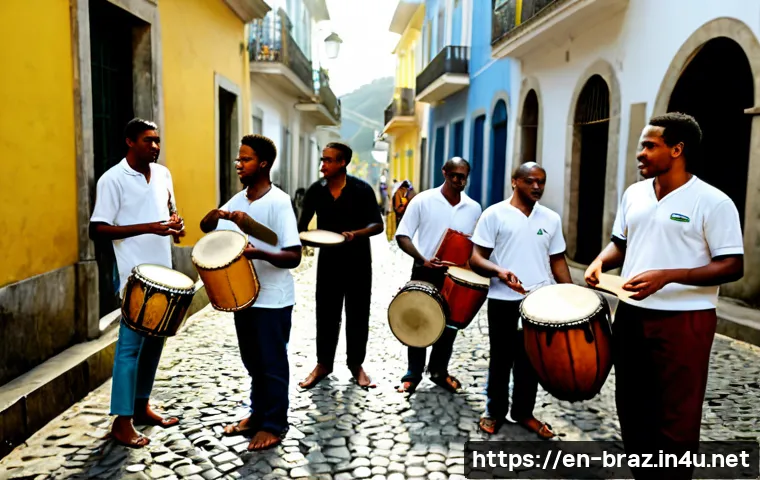
Samba grew in Brazil through Afro-Brazilian community music traditions, then developed into a broad family of musical and dance styles. It is closely linked with Carnival, but Carnival samba is only one part of a much larger cultural tradition.
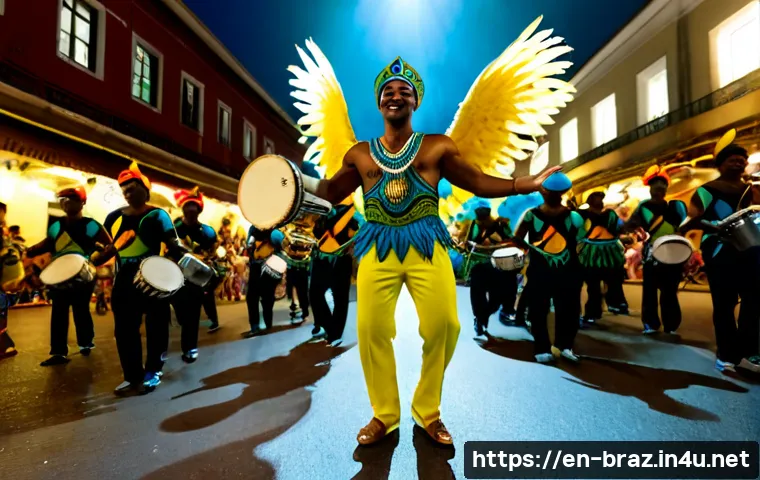
For listening, start with recorded samba or pagode; for dancing, choose a beginner-focused samba class; for travel, look for a live performance or community-based cultural experience.
A paid lesson or percussion workshop can add value when it offers clear instruction, cultural context, and a suitable group level. Before booking, compare the format, instructor background, venue details, and cancellation terms.
At a Glance
- Samba is a family of Afro-Brazilian music traditions, not one fixed rhythm, dance, or Carnival soundtrack.
- Community music-making is central to samba’s history, from local gatherings to organized Carnival samba schools.
- The best way to explore samba depends on your goal: streaming for discovery, classes for movement, and live events for context.
| Experience Format | Best Setting | Beginner Difficulty | Costs to Verify Locally | What to Look For |
|---|---|---|---|---|
| Recorded samba playlist or album | Listening at home or while studying | Low | Streaming subscription or individual purchase options | Clear style labels, artist information, and a range of recordings |
| Beginner samba dance class | Dance studio or community space | Low to moderate | Single-class, course, and cancellation terms | Beginner level, pacing, footwear guidance, and instructor approach |
| Percussion workshop | Music school, cultural center, or group session | Moderate | Instrument rental, workshop fee, and session length | Hands-on instruction, group size, and whether instruments are provided |
| Live samba performance | Concert venue, cultural event, or travel itinerary | Low | Ticket type, venue policies, transport, and accessibility | Performer details, venue information, and the event’s musical focus |
The Short Answer: Where Samba Came From and Why It Matters
Samba developed in Brazil through Afro-Brazilian musical traditions shaped by rhythm, singing, dance, and shared participation. Its history is tied to communities whose cultural practices helped preserve and transform musical knowledge over time. That background matters because samba is more than a dance step or a party playlist: it is a living cultural practice with regional forms, social settings, and different ways of performing.
Afro-Brazilian Roots and the Role of Community Music-Making
Samba is best approached through the idea of collective music-making. Rhythmic interaction, voice, movement, and percussion can all be part of the experience. Rather than treating the music as a product detached from its setting, listen for the conversation between singers, players, dancers, and the surrounding community.
For learners, this means a good samba class or cultural workshop should explain more than counts and choreography. It should give some context about the rhythm, the group format, and the style being taught. A fast dance lesson can still be enjoyable, but it may not provide the same cultural depth as a class led by someone who can connect movement to musical structure.
Why Samba Is Better Understood as a Family of Styles, Not One Fixed Sound
There is no single sound that covers all samba. Some forms are associated with community circles and traditional settings. Others are linked to urban popular music, Carnival parades, informal social gatherings, or later commercial recordings. Calling every Brazilian dance track “samba” can hide those differences.
It is also difficult to identify one unquestioned “first” samba song or performance. Much of samba developed through community traditions before formal recording and documentation. When choosing a recording, class, or guided tour, look for descriptions that name the specific style rather than relying only on broad labels such as “Brazilian music” or “Carnival dance.”
From Neighborhood Gatherings to Rio’s Recording Industry
Samba moved through local social spaces before becoming widely recognized through recordings and popular entertainment. As urban samba gained visibility, recorded music helped bring particular performers and styles to audiences beyond their original neighborhoods. This expansion made samba easier to hear at home, while also changing how it was presented to the public.
Early Urban Samba and the Growth of Recorded Popular Music
Urban samba became an important part of Brazilian popular music as recording created new paths for circulation. A song that might once have been experienced mainly in a local gathering could reach listeners in other places through recorded formats. That shift did not erase community roots, but it did create a stronger relationship between samba, professional performance, and the music industry.
For a first listening session, avoid treating one polished recording as the complete history. Compare a few styles and notice the differences in vocal delivery, percussion, ensemble feel, and dance energy. Music streaming services can be useful for this kind of side-by-side exploration when they provide reliable artist and album details.
How Radio, Carnival, and Samba Schools Expanded Its Audience
Radio and public performance expanded samba’s reach, while Carnival brought certain large-scale forms into especially visible settings. Samba-enredo, for example, is strongly associated with the parade environment and the organized work of samba schools. It is designed for a specific collective presentation, so it should not be treated as the only version of samba.
Carnival can be a memorable entry point for travelers, but a parade ticket alone may not explain the full tradition. If your trip allows it, compare a major event with a smaller live performance, a percussion workshop, or a local music-focused experience. Each setting reveals a different relationship between rhythm, movement, audience, and community.
The Social and Cultural Importance of Samba Communities
Samba communities have helped sustain repertories, performance practices, and social connections. The music often works as a shared activity rather than a one-way performance. That is why a small gathering, a dance class with live percussion, or an audience-participation event can feel very different from simply hearing a studio track.
When evaluating an “authentic samba” experience, be cautious with absolute claims. Authenticity standards vary by musician, region, cultural institution, and local community. A better question is whether the organizer clearly explains who is teaching or performing, which tradition is represented, and how the event is structured.
Major Samba Styles: What You Hear, Where You Encounter It, and How They Differ
Learning a few style names makes samba easier to explore without turning the subject into a rigid checklist. The goal is not to rank forms from “real” to “less real.” It is to understand where different sounds and experiences may fit your listening, dance, study, or travel plans.
Samba de Roda, Urban Samba, Samba-Enredo, and Pagode
Samba de roda is associated with a circle-based setting in which music and dance are closely connected. It is useful for learners who want to notice the social and participatory side of samba. Urban samba is a broad way to describe styles that developed in city settings and became part of recorded popular music.
Samba-enredo is especially connected with Carnival parade culture and samba schools. Its scale, energy, and function are shaped by that setting. Pagode is commonly encountered in social, intimate, and popular listening contexts. It can be a friendly entry point for listeners because it often emphasizes ensemble interaction and a relaxed communal atmosphere.
How Bossa Nova Relates to Samba Without Being the Same Genre
Bossa nova is related to samba through Brazilian rhythmic and musical traditions, but it should not be treated as simply another name for samba. Its overall feel, presentation, and listening context can differ substantially from a Carnival samba performance or a pagode gathering. If you enjoy bossa nova, it can be a useful bridge into Brazilian music, but it is worth exploring samba on its own terms as well.
A practical listening path is to begin with one samba recording, one pagode selection, one samba-enredo performance, and one bossa nova track. Listen for changes in rhythmic drive, group interaction, vocal style, and the setting each piece seems to suggest.
A Comparison Table for Listening, Dance, and Cultural-Learning Goals
| Style or Related Genre | What You May Notice | Where You May Encounter It | Best Starting Goal |
|---|---|---|---|
| Samba de roda | Circle-based participation, music, and dance | Cultural learning settings and community-oriented presentations | Understanding participatory roots |
| Urban samba | Recorded popular music traditions and varied ensemble approaches | Albums, live music venues, and curated playlists | Building a listening foundation |
| Samba-enredo | Large-scale parade energy and collective performance | Carnival-related events and samba school presentations | Travel planning and Carnival context |
| Pagode | Social atmosphere and close ensemble interaction | Live gatherings, recordings, and social music settings | Casual listening and group performance |
| Bossa nova | A related Brazilian musical approach with a distinct character | Listening collections and Brazilian music studies | Comparing related genres |
Learning or Experiencing Samba: Classes, Performances, and Listening Options
The right samba experience depends on what you want to take away from it. A video can introduce a rhythm or step. A live performance can show how musicians and audiences interact. A paid samba lesson can be more useful when you need feedback, a progressive structure, and a safe place to practice movement with others.
When a Beginner Dance Class Is Worth Paying For
A beginner samba dance class is worth considering when it clearly states that no prior experience is required and explains its teaching format. Look for information about class length, warm-up expectations, pace, footwear, partner requirements if any, and whether the focus is solo movement, social dance, or performance choreography.
Choose a class that welcomes questions and does not promise instant mastery. Good instruction is clear, paced, and respectful. If cultural context matters to you, ask whether the instructor explains the style’s musical background or uses live or recorded examples thoughtfully.
What to Check Before Booking a Percussion Workshop or Live Performance
Before paying for a percussion workshop, check whether instruments are included, whether beginners can participate, and whether the session focuses on basic rhythm, ensemble playing, or a specific samba style. A workshop can be more valuable than casual online tutorials when it gives you real-time correction and lets you feel how your part fits within a group.
For a live samba performance, review the performer listing, venue details, age or entry rules where relevant, accessibility information, transportation options, and cancellation terms. A ticket page should make clear whether you are attending a concert, a dance night, a Carnival-related event, or a cultural presentation. Those are not interchangeable experiences.
Common Mistakes When Choosing “Authentic” Samba Experiences
A common mistake is assuming that a flashy Carnival image guarantees cultural depth. Another is rejecting any modern or tourist-accessible event as automatically inauthentic. Instead, look for transparency: the organizers should identify the musicians or teachers, describe the style, and explain what participants can expect.
Also avoid booking based only on a generic “Brazilian dance” label. Ask whether the session is actually samba, which form it covers, and how much dance instruction or live music is included. If you are purchasing an instrument, confirm the intended learning use, included accessories, return conditions, and whether beginner guidance is available.
Samba Beyond Brazil: Global Influence and Responsible Appreciation
Samba has traveled through recordings, migration, festivals, cultural exchanges, and dance communities. International listeners may first encounter it through a dance class, a Brazilian music festival, a streaming recommendation, or a travel itinerary. These entry points can be meaningful, but they are still only parts of a larger cultural landscape.
How Samba Traveled Through Recordings, Migration, Festivals, and Dance Communities
Recorded music allows listeners to explore samba far from Brazil, while local dance and percussion communities create opportunities for shared practice. Festivals and touring performers can introduce audiences to Brazilian artists and related traditions. The available styles will vary by city, organizer, and performer, so read event descriptions closely rather than assuming every program offers the same cultural focus.
Respecting Cultural Context While Learning Rhythms and Dance Steps
Respectful appreciation begins with naming what you are learning accurately. If a class teaches a simplified fitness routine inspired by samba, that can be enjoyable, but it is different from a class focused on a specific samba tradition. Give credit to the people and communities connected to the music, remain open to correction, and avoid presenting a short lesson as complete expertise.
For students and travelers, a modest approach works best: listen carefully, learn basic terms, support artists and instructors where possible, and ask informed questions. Curiosity is valuable when it comes with attention to context.
Choosing a Samba Experience: A Practical Comparison Summary
Casual listeners may get the most value from a well-organized streaming exploration that compares samba, pagode, samba-enredo, and bossa nova. Dancers should prioritize a true beginner class with a clear level description and enough time for feedback. Students may benefit from a percussion workshop or guided cultural experience that explains ensemble roles and history. Travelers should match the event to the trip: a parade, a small live set, and a workshop offer different perspectives.
Before buying tickets, lessons, or instruments, compare class format, instructor background, venue details, total cost, accessibility, and cancellation terms. Check whether equipment is provided, whether the event is suitable for beginners, and what specific samba style will be featured. For official details and current conditions, review the relevant class, venue, workshop, or ticket page before booking.
Questions to Ask Before You Commit
Ask whether the instructor or performers are identified, what level is expected, and whether the session emphasizes dance, percussion, listening, or cultural history. For live events, confirm start time, entry requirements, seating or standing arrangements, and venue accessibility. For instrument purchases, confirm what is included and whether the seller provides clear specifications and return information.
In Closing
Samba’s history is not a straight line from one song to one parade. It is a continuing set of Afro-Brazilian musical traditions shaped by communities, recordings, public events, dance, and changing local styles. Carnival remains an important window into samba, but it is not the whole view. The most rewarding introduction is often one that combines listening with context and careful selection of classes or events.
Useful Things to Know
Start with a goal: listening, dancing, percussion, study, or travel planning.
Learn the style name: samba de roda, urban samba, samba-enredo, and pagode may lead to very different experiences.
Read descriptions closely: “Brazilian music” is a broad category, not a precise event label.
Use more than one source: recordings, classes, and live performances reveal different parts of the tradition.
Important Notes
The exact first samba song or performance is open to debate because community traditions existed before complete formal documentation. Terminology and historical emphasis can differ among Brazilian musicians, scholars, regions, and cultural institutions. Prices, availability, instructor qualifications, venue standards, and claims of authenticity should always be verified directly with the provider.
Frequently Asked Questions
Q1. What is the difference between samba, pagode, and bossa nova?
A1. Samba is a broad family of Afro-Brazilian musical traditions and styles. Pagode is commonly associated with social samba settings and ensemble interaction, while bossa nova is a related Brazilian genre with a distinct musical character. They overlap in cultural and rhythmic history, but they should not be treated as identical.
Q2. Is a samba dance class suitable for complete beginners, and what should I look for before booking?
A2. Many classes may welcome complete beginners, but confirm the level before booking. Look for a clear course description, pacing, class format, footwear guidance, instructor background, location, accessibility, and cancellation terms. A class that explains its musical focus is often easier to choose than one using only a vague “Brazilian dance” label.
Q3. How can I find a respectful, high-quality samba performance or percussion workshop while traveling?
A3. Look for listings that identify the performers or instructors, name the samba style or musical focus, and provide practical venue information. Compare class format, instructor background, venue details, and cancellation terms. Check whether instruments are supplied for workshops and whether the performance is a concert, dance event, Carnival presentation, or community-focused cultural program.