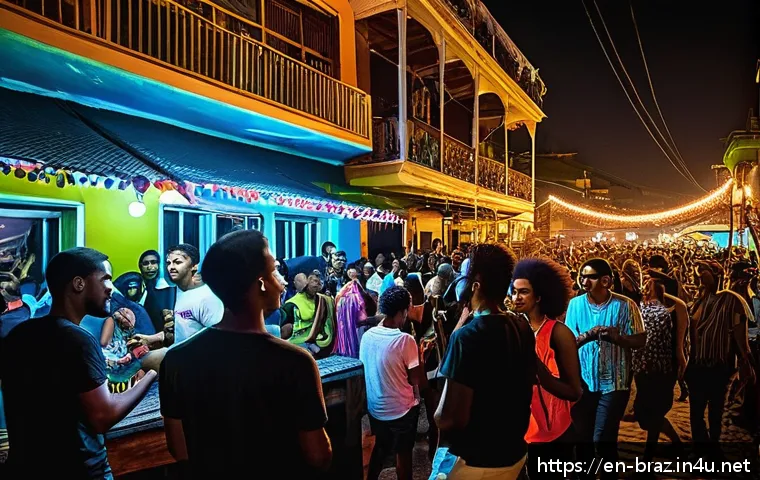
Hey everyone! It’s your go-to guide for all things global education. I’ve been getting so many questions lately about studying abroad, and one country that consistently pops up on people’s radars, for all the right reasons, is Brazil.
Seriously, when I first started looking into it, I was amazed by how much incredible academic opportunity there is amidst such a vibrant, rich culture.
It’s not just about the beaches and samba anymore; Brazilian universities are making serious waves on the international scene, becoming true powerhouses of research and innovation, especially with the surge in digital learning and cutting-edge EdTech platforms shaping how students learn.
What’s really fascinating is how the higher education landscape in Brazil is evolving. We’re seeing a fantastic blend of world-class public institutions, which often offer *free* tuition for international students, alongside dynamic private universities pushing the boundaries with specialized programs.
This mix creates a competitive, yet incredibly rich, environment for students looking for quality education without breaking the bank. From what I’ve seen, the push for internationalization means more programs are welcoming global perspectives, driving demand for highly skilled professionals across various fields.
It’s a dynamic shift that genuinely excites me, and I think it offers unique advantages for anyone considering a move for their studies. You’ll find institutions deeply committed to academic excellence and preparing students for a rapidly changing global job market.
If you’ve ever dreamed of studying in a place that perfectly balances rigorous academics with an unparalleled cultural adventure, Brazil might just be your perfect match.
It’s a country where educational quality meets incredible life experiences. You can dive into groundbreaking research one day and explore breathtaking natural wonders the next.
Many of my friends who’ve studied there talk about how the experience genuinely shaped their careers and broadened their worldviews in ways they never expected.
Ready to discover which Brazilian university could be the stepping stone to your future? Let’s dive in and accurately explore the top university rankings in Brazil!
Finding Your Academic Home in the Land of Samba
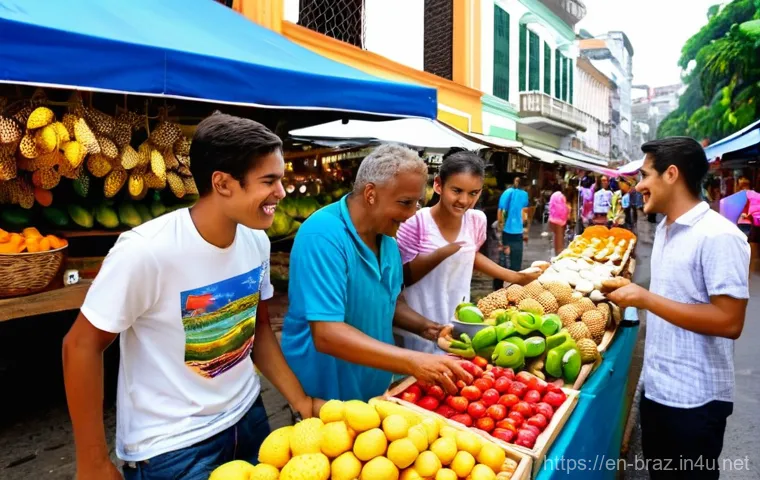
Okay, so you’re ready to take the plunge and explore the incredible academic opportunities Brazil has to offer. It’s truly a fantastic choice, and honestly, the options are broader and more impressive than many realize. From what I’ve seen, Brazil is home to some truly world-class institutions that consistently rank among the best in Latin America and even globally. When my friend, Mariana, was researching her masters, she kept coming back to Brazilian universities, especially for their strong research focus and welcoming atmosphere for international students. We’re talking about places that are hubs of innovation, deeply integrated into their communities, and passionate about diverse fields from engineering to humanities. You’ll find yourself not just learning from textbooks, but engaging with a vibrant academic culture that encourages critical thinking and real-world application. Public universities here, which are often top-tier, usually don’t charge tuition fees for international students, which is a massive bonus! Just imagine getting a top-notch education without the crushing weight of tuition debt. It really opens up so many possibilities, doesn’t it? This free access to high-quality education at institutions like the University of São Paulo or the Federal University of Rio de Janeiro is a game-changer for many aspiring global scholars. It’s truly an investment in your future, both academically and culturally.
Academic Powerhouses You Need to Know
When we talk about the crème de la crème, the University of São Paulo (USP) almost always comes up first. It’s not just the largest public university in Brazil, but also consistently ranks among the top universities worldwide. Seriously, it’s a powerhouse for everything from engineering and medicine to law and the sciences, boasting numerous campuses across the state of São Paulo. I remember hearing from a colleague who did a research fellowship there; she was absolutely blown away by the facilities and the caliber of the faculty. Then there’s the University of Campinas (Unicamp), another fantastic public institution renowned for its scientific and medical research. Unicamp was practically built for R&D, and it shows in their innovative programs and strong industry partnerships. If you’re into a more diverse range of subjects, the Federal University of Rio de Janeiro (UFRJ) is an older, highly respected institution with a beautiful main campus, famous for architecture, performing arts, and a vast array of scientific disciplines. These universities aren’t just about lectures; they offer dynamic environments where you can truly thrive and contribute.
Diverse Paths to Academic Excellence
Beyond these giants, you’ll find a wealth of other incredible institutions that might just be your perfect fit. The Federal University of Minas Gerais (UFMG) in Belo Horizonte, for example, is highly respected for health sciences, humanities, and engineering. And down south in Porto Alegre, the Federal University of Rio Grande do Sul (UFRGS) stands out with strong programs in economics, political science, and education, creating a welcoming environment for international students. For those who might consider private options, institutions like the Pontifical Catholic University of São Paulo (PUC-SP) or the Pontifical Catholic University of Rio de Janeiro (PUC-Rio) are also fantastic, offering modern campuses and a strong focus on business, economics, and technology, often with international programs and courses taught in English. It’s truly inspiring to see how many choices there are, each with its own unique strengths and specializations. I’ve always advocated for looking beyond the very top names to find the place that truly resonates with your academic goals and personal interests. Brazil’s educational landscape truly caters to a broad spectrum of academic aspirations, ensuring there’s a perfect match for almost everyone.
Navigating the Practicalities: Visas and Beyond
Alright, let’s get down to the nitty-gritty, because while dreaming about your Brazilian adventure is fun, we need to make sure the practical steps are covered. Securing your student visa, known as a VITEM IV, is a crucial first step, and it requires a bit of planning. You absolutely cannot study in Brazil on a tourist visa, so make sure you start this process early! From what I understand, you’ll need an official acceptance letter from a Brazilian university, proof you can financially support yourself (think bank statements or a scholarship letter), a valid passport with plenty of time left before it expires, and usually a criminal background check. It sounds like a lot, but it’s totally manageable if you tackle it step-by-step. I always tell my followers to check their nearest Brazilian consulate’s website because the exact requirements can sometimes vary slightly by country. My friend Sarah found it super helpful to make an appointment at the consulate as soon as she received her acceptance, giving her plenty of buffer time before her flight. Remember, once you arrive in Brazil, you also have a limited time—usually around 30 to 90 days—to register with the Federal Police in your chosen city. This is a non-negotiable step to formalize your stay!
Your Student Visa Checklist
The student visa application might seem daunting, but breaking it down makes it much simpler. Firstly, you’ll need to complete an online visa application form. Then, it’s about gathering your documents meticulously. Think of it as creating your personal “Brazil study abroad” dossier! This will definitely include your passport (make sure it’s valid for at least six months beyond your intended stay and has a couple of blank pages) and a couple of passport-sized photos. The acceptance letter from your Brazilian educational institution is paramount, clearly stating the program and its duration. Don’t forget proof of sufficient funds to cover your living expenses, or a scholarship letter if you’re lucky enough to have one. A non-criminal record certificate, issued within 90 days of your application, is also usually required for applicants over 18. And, a copy of your flight reservation showing entry and exit dates is often requested. It really helps to have everything organized in a folder. I’ve heard too many stories of people scrambling last minute, and trust me, you don’t want that kind of stress before moving to a new country!
Post-Study Horizons: Working in Brazil
One of the most exciting developments for international students in Brazil is the evolving landscape for post-study work. While you can work part-time (up to 20 hours a week during term, full-time during breaks) on a student visa to help cover living costs, the real game-changer is the new residence permit for graduates. As of September 22, 2024, Brazil rolled out a new two-year residence permit specifically for foreign nationals who’ve completed an undergraduate or graduate program at an accredited Brazilian institution and have a job offer from a Brazilian employer. This is HUGE! It means you can potentially stay and work in Brazil right after graduation, without the typical work experience requirements that usually come with employment visas. I personally believe this makes Brazil an even more attractive destination for global talent, as it creates a clear pathway from education to a professional career in a booming economy. My friend Carlos, who just finished his engineering degree there, is already looking into this option; it’s really giving him a sense of security and a chance to build a life in Brazil.
Beyond the Classroom: Life as an International Student
Studying abroad is about so much more than just what happens in the lecture hall, right? It’s about the entire experience, and Brazil truly delivers on that front. From my conversations with students who’ve lived there, the social aspect is incredibly vibrant. Brazilians are renowned for their warmth and friendliness, which honestly makes a huge difference when you’re settling into a new country. You’ll find that people are genuinely eager to help and share their culture. While Portuguese is the official language, and definitely something you’ll want to embrace, don’t worry too much about not being fluent from day one. Many Brazilians are patient and encouraging with those learning the language, and English is certainly spoken in academic circles, especially at the postgraduate level. I’ve heard countless stories of students picking up Portuguese surprisingly fast just by immersing themselves in daily life, going to local markets, or simply chatting with new friends. This cultural immersion isn’t just a side benefit; it’s a huge part of the transformative experience of studying in Brazil.
Embracing the Brazilian Lifestyle
Life outside of studies is just as rich and engaging. Brazilian cities, especially São Paulo and Rio de Janeiro, are melting pots of cultures, offering everything from modern skyscrapers to historic neighborhoods, bustling arts scenes, and, of course, incredible food. I still dream about the *pão de queijo* and fresh fruit juices my friend used to rave about! Public transportation is generally affordable, especially in major cities with metro systems, which helps keep your budget in check while you explore. Weekends can be filled with exploring breathtaking natural wonders, from stunning beaches to lush national parks, or diving into the local music and dance scene. Many universities and private language schools also offer cultural immersion programs, organizing activities like visits to street markets, samba classes, or culinary experiences where you can learn to make a caipirinha. It’s truly a unique blend of academic rigor and unparalleled cultural adventure, and I promise you, you’ll come back with memories that last a lifetime.
Making Your Budget Work: Costs and Scholarships
Let’s talk money, because let’s be real, it’s a big part of any study abroad decision. One of the truly amazing aspects of studying in Brazil is that the cost of living can be surprisingly affordable compared to many Western countries, especially if you’re mindful of your spending. While major cities like São Paulo and Rio de Janeiro will naturally be pricier, there are always ways to manage your expenses. Accommodation is often the biggest cost, but options like shared apartments or homestays can be very budget-friendly. Many universities don’t offer on-campus housing, but they often assist with finding suitable private rentals or homestays, which I personally think is a fantastic way to truly immerse yourself in the local culture and practice your Portuguese. My friend Emily actually lived with a Brazilian family during her semester abroad, and she said it was the best decision she made, not just for saving money but for truly feeling like part of the community.
Understanding Your Expenses
When planning your budget, you’ll need to consider a few key areas. Beyond tuition (which, as we discussed, can often be free at public universities), your main outlays will be for accommodation, food, transportation, and personal expenses. For a single person, monthly living expenses (excluding rent) in a city like São Paulo can be around BRL 2,500 ($470 USD), but this can fluctuate depending on your lifestyle. Rent for a one-bedroom apartment in major cities can range from BRL 2,000 to BRL 4,000, while in smaller towns or suburbs, it might be BRL 1,200 to BRL 2,500. Groceries usually fall between BRL 500-800 per month, especially if you cook at home and buy local produce. Public transport is generally affordable, with monthly passes around BRL 200. And don’t forget health insurance – while Brazil has a free public healthcare system, international students are usually advised to have their own coverage. It’s all about being prepared and knowing what to expect so you can budget effectively and enjoy your time without financial stress.
| Expense Category | Estimated Monthly Cost (BRL) | Notes |
|---|---|---|
| Accommodation (Shared Apartment) | BRL 800 – BRL 2,000 | Varies greatly by city and type of accommodation. Homestays can be an economical and immersive option. |
| Groceries | BRL 500 – BRL 800 | Buying local produce and cooking at home helps keep costs down. |
| Public Transportation | BRL 200 – BRL 275 | Generally affordable, especially with student passes in larger cities. |
| Utilities (Electricity, Water, Gas) | BRL 270 – BRL 290 | Average costs, can vary based on usage and location. |
| Personal Expenses (Leisure, Books) | BRL 200 – BRL 500 | Depends on individual lifestyle and activities. |
Unlocking Scholarship Opportunities
Don’t let the idea of costs deter you, because there are absolutely scholarships available to help fund your studies in Brazil. It might require some digging, but the effort can really pay off! For instance, programs like GCUB-Mob, from the International Cooperation Group of Brazilian Universities, often offer master’s and doctorate scholarships for international students, with hundreds of opportunities across various Brazilian universities. There are also OAS-GCUB scholarships which provide tuition waivers and partial monthly stipends for living expenses, aimed at students from OAS Member States. I always recommend checking university websites directly for their specific international student scholarships, as well as looking into government-sponsored programs in your home country that might support study abroad in Brazil. Some scholarships are even interest-based, catering to specific fields like engineering, journalism, or medicine. It’s all about being proactive and persistent in your search; there’s often more financial aid out there than you might think!
Academic Excellence in the Heart of Brazil
Brazil’s commitment to academic excellence is truly something to behold, and it’s visible in the caliber of its universities and the diverse range of programs they offer. You’re not just getting a degree; you’re gaining a perspective that’s shaped by a country rich in history, natural wonders, and cutting-edge research. I’ve seen firsthand how Brazilian institutions are stepping up on the global stage, especially in fields that truly matter for our future. Imagine studying environmental sciences in a country that houses the Amazon rainforest, or delving into renewable energy where hydroelectric power is a major source. These aren’t just theoretical discussions; they’re deeply rooted in the nation’s reality, offering unparalleled opportunities for practical application and impactful research. The teaching style, from what I’ve gathered, often blends theoretical knowledge with hands-on projects, fostering an environment where students aren’t just passive learners but active contributors to their fields.
Leading Fields of Study and Innovation
Brazil really shines in specific academic areas that leverage its unique resources and expertise. If you’re passionate about environmental issues, agribusiness, or biotechnology, Brazil is genuinely a fantastic place to be. The country’s vast biodiversity and significant agricultural sector mean there’s massive investment in research and development in these fields. My cousin, who’s an agronomist, spent a year working with a Brazilian research team, and she kept telling me how groundbreaking their work was. Beyond that, Brazil is making incredible strides in renewable energy, particularly in biofuels and hydroelectric power, offering students a chance to be at the forefront of sustainable solutions. You’ll find opportunities for internships, field work, and research that would be hard to match anywhere else. It’s not just about what you learn in a textbook; it’s about experiencing and contributing to real-world challenges and innovations.
A Culture of Collaborative Learning
What I really appreciate about the Brazilian academic system is its emphasis on collaboration and engagement. You won’t just be sitting in lectures; you’ll be encouraged to participate in discussions, team up on group projects, and dive into research activities. I’ve heard from many international students that professors often have a more informal and approachable relationship with their students compared to what they might be used to in other countries. This creates a really open and supportive learning environment, where you feel comfortable asking questions and sharing your ideas. It’s a space where different perspectives are not just tolerated but genuinely celebrated, reflecting Brazil’s incredibly diverse society. This emphasis on dialogue and hands-on learning truly prepares students for a dynamic global job market, equipping them with not just knowledge, but also invaluable soft skills like teamwork and cross-cultural communication. It’s a truly holistic approach to education.
글을 마치며
Well, there you have it – a glimpse into the incredible world of academic life in Brazil! It’s truly a journey that promises not just world-class education but also an unparalleled cultural adventure. From navigating top universities to understanding the practicalities of visas and embracing the vibrant lifestyle, I hope this guide has painted a clear and exciting picture for your potential academic future. Take the leap, and prepare to be amazed by everything Brazil has to offer. I genuinely believe it could be one of the most rewarding experiences of your life, blending rigorous study with unforgettable personal growth.
알아두면 쓸모 있는 정보
1. Portuguese is absolutely key for daily life! While many postgraduate courses might offer instruction in English, embracing the local language will profoundly enhance your immersion, make everyday interactions smoother, and truly help you connect with the incredibly warm Brazilian people. Even learning a few basic phrases and greetings can open up so many doors and make you feel more at home.
2. Public transportation in major cities like São Paulo and Rio de Janeiro is generally both efficient and quite affordable. Make smart use of the metro systems and extensive bus networks to navigate your new city. Always keep an eye out for potential student discounts on monthly passes – those savings can really add up and free up some extra cash for exploring.
3. Be prepared for a bit of bureaucracy. Brazil, like many countries, has its own unique way of handling paperwork, especially when it comes to visa registrations with the Federal Police and university enrollment processes. My best advice? Start early, make sure you keep physical and digital copies of every single document, and never hesitate to reach out to your university’s international office for guidance; they are an invaluable resource.
4. Dive headfirst into the food! Brazilian cuisine is fantastically diverse and incredibly delicious. Don’t just stick to what you know; actively seek out local dishes like the hearty *feijoada*, crispy *coxinha*, and the array of fresh, exotic tropical fruits. Eating at *por quilo* (by weight) restaurants is often a budget-friendly and genuinely authentic way to savor local flavors and experience daily life.
5. Always prioritize your safety. As with any large, bustling city across the globe, it’s wise to be aware of your surroundings, especially during evenings or when venturing into unfamiliar areas. Keep valuables discreetly out of sight, and whenever possible, try to travel with friends. Most importantly, trust your instincts; that gut feeling is usually telling you something important.
중요 사항 정리
To recap, Brazil presents an exceptional, often tuition-free, academic journey through its network of world-class public universities. The introduction of a new two-year post-study work permit is a truly significant development, offering graduates a clear pathway to employment and a career within the country. Beyond the classroom, seize every opportunity to immerse yourself in the vibrant Brazilian culture, commit to learning Portuguese, and meticulously manage your budget to truly maximize every moment of what promises to be an unforgettable experience abroad. It’s an investment not just in your education, but in a lifetime of rich memories and global connections.
Frequently Asked Questions (FAQ) 📖
Q: Which Brazilian universities consistently rank among the top choices for international students, and what makes them stand out?
A: Oh, this is such a fantastic question, and it’s one I get asked a lot! When we talk about academic powerhouses in Brazil, a few names really shine through, especially for international students.
Heading up the list, you absolutely have to consider the University of São Paulo (USP). Seriously, it’s a giant, not just in Brazil but across Latin America, and from what I’ve seen, it consistently features in global rankings for a huge array of subjects, from engineering to medicine and the sciences.
It’s renowned for its deep commitment to research and innovation, and its sheer size means incredible resources across multiple campuses. Then there’s the State University of Campinas (UNICAMP), often touted as another jewel, particularly strong in science, technology, and engineering.
My friends who’ve studied there always rave about its research focus and industry partnerships. Not to be overlooked is the Federal University of Rio de Janeiro (UFRJ), one of Brazil’s oldest and most prestigious, known for everything from architecture to performing arts and cutting-edge science.
And let’s not forget the Federal University of Minas Gerais (UFMG), which offers exceptional programs in health sciences and humanities. While these are all phenomenal public institutions, if you’re leaning towards a private option with a strong international flavor, Pontifical Catholic University of Rio de Janeiro (PUC-Rio) is also a standout, with a modern campus and a strong focus on business and economics.
What truly makes these universities special for us global learners is their commitment to high-quality education, vibrant campus communities, and a growing number of programs that welcome international perspectives, even if many still require Portuguese proficiency.
They’re not just about degrees; they’re about being at the forefront of global challenges and solutions.
Q: Is it truly possible for international students to study in Brazil without paying tuition fees, and what should I know about the costs involved?
A: Okay, let’s dive into one of the most exciting aspects of studying in Brazil: the potential for tuition-free education! And yes, I can confirm from my own research and hearing countless stories from students, it is absolutely possible for international students to study without paying tuition fees at Brazil’s public universities.
This is a game-changer for many, as these institutions, funded by federal and state governments, extend their tuition-free policy to everyone, regardless of nationality.
Imagine earning a world-class degree from a top-ranked university like USP or UFRJ without having to worry about tuition! However, and this is a crucial “however,” while tuition itself is free, you’ll still need to budget for living expenses, and trust me, these can vary a lot depending on where you choose to live.
Think accommodation, food, transportation, health insurance, and personal expenses. From what my friends tell me, monthly living costs can range anywhere from $400 to $800 USD, sometimes more in big cities like São Paulo or Rio de Janeiro, but still incredibly affordable compared to many other study destinations.
Also, remember that while many universities are expanding English-taught programs, a good grasp of Portuguese is often essential, especially for undergraduate studies, and you might need to pass a proficiency exam like Celpe-Bras.
Private universities, on the other hand, do charge tuition fees, which can range quite a bit, but they sometimes offer more flexibility in admissions or specialized programs.
So, while you can absolutely get a fantastic education for free at public institutions, be prepared for the competitive application process and, of course, your daily living expenses!
Q: Beyond academics, what are the unique benefits and experiences that studying in Brazil offers to international students, both culturally and for future career prospects?
A: This is where Brazil truly shines beyond the classroom! When you choose Brazil, you’re not just picking a university; you’re signing up for an unparalleled life adventure.
Culturally, it’s a melting pot like no other, a vibrant tapestry woven from Indigenous, African, and European influences. I’ve heard countless stories from students who say the cultural immersion completely broadened their worldview.
You’ll find yourself swept up in local traditions, incredible festivals like Carnival, and a culinary scene that will blow your taste buds away. Brazilians are genuinely warm and welcoming, making it so much easier to feel at home and dive into the local way of life.
And of course, learning Portuguese here is an absolute game-changer; it’s the largest Portuguese-speaking country, so you get real-world practice every single day, which is invaluable for personal growth and future opportunities.
Beyond the rich culture, think about your career! Brazil is the eighth-largest economy in the world, an emerging power with a booming job market, especially for skilled professionals.
My contacts in the industry often highlight how knowing Portuguese and having experience in a dynamic Latin American market can really set you apart. Whether you’re interested in environmental science – given Brazil’s incredible biodiversity, especially the Amazon – or business, technology, or humanities, gaining hands-on experience in such a diverse and rapidly developing country gives you a unique edge.
You can even work part-time while studying to gain valuable experience and help with living costs. It’s an adventure that shapes not just your resume, but your entire perspective on the world.